Science
Do Living Things Have Their Own Goals? Scientists Debate 'Biological Agency'
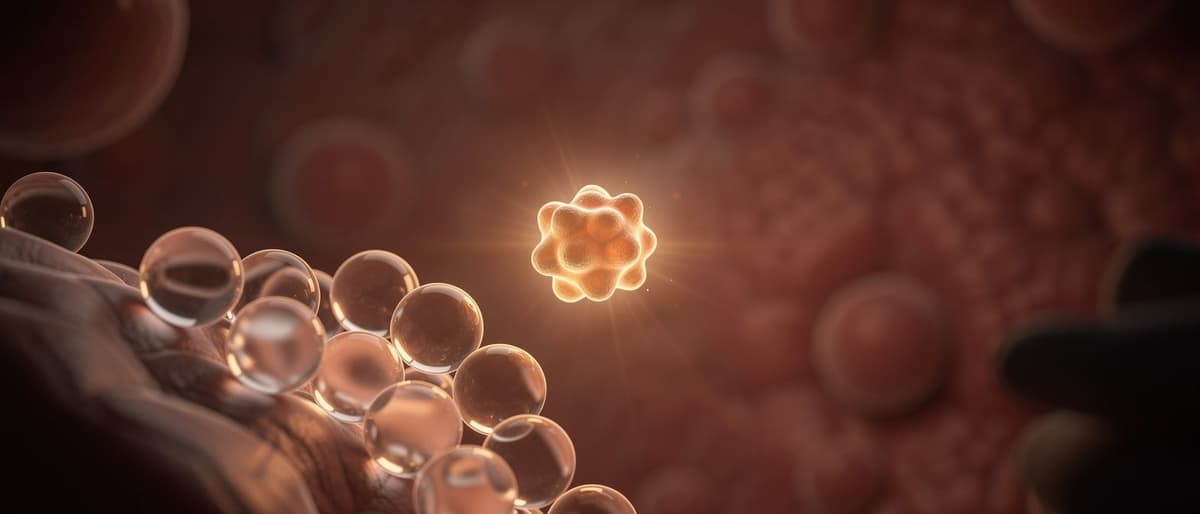
AI-generated illustration
A rock rolls downhill only because gravity pulls it, but a sunflower turns to face the sun as if it wants the light. Biologists are arguing over whether living things really do set their own goals, or whether that's just a convenient way of talking.
under 1 secondhow fast a bacterium can change direction toward food
The facts
- 1Biologists and philosophers are debating 'biological agency,' the idea that living things set goals and act to reach them, unlike non-living matter.
- 2A rolling rock only obeys physics, but a plant bending toward sunlight or a bacterium swimming toward food looks purposeful rather than passive.
- 3Some scientists point to single cells, which can sense chemical signals and change direction in under a second to move toward nutrients.
- 4Supporters say 'agency' helps explain behavior across biology, from single cells to whole animals, without needing a brain or awareness.
- 5Critics warn that calling chemical reactions 'goal-directed' risks assuming purpose exists where only physics and chemistry are actually happening.
Why it matters
How scientists define 'purpose' in biology shapes how they study everything from cells to brains, and even how they judge whether machines can ever be truly goal-driven like living things.
Sources
- Quanta Magazine
- Simons Foundation