Current Affairs
Downblending Explained: The Nuclear Science Behind the US-Iran Deal
A single chemistry process called downblending now stands between Iran's stockpile of highly enriched uranium and the world's confidence that it won't build a nuclear weapon — here's exactly how it works.
60%Enrichment level Iran agreed to reduce — nearly weapons-grade, far above the 3.67% limit
The facts
- 1Iran agreed, as part of a US-brokered deal in 2026, to downblend its stockpile of uranium enriched to 60%, reducing it to the 3.67% level allowed under international limits — a process inspectors from the IAEA will closely monitor.
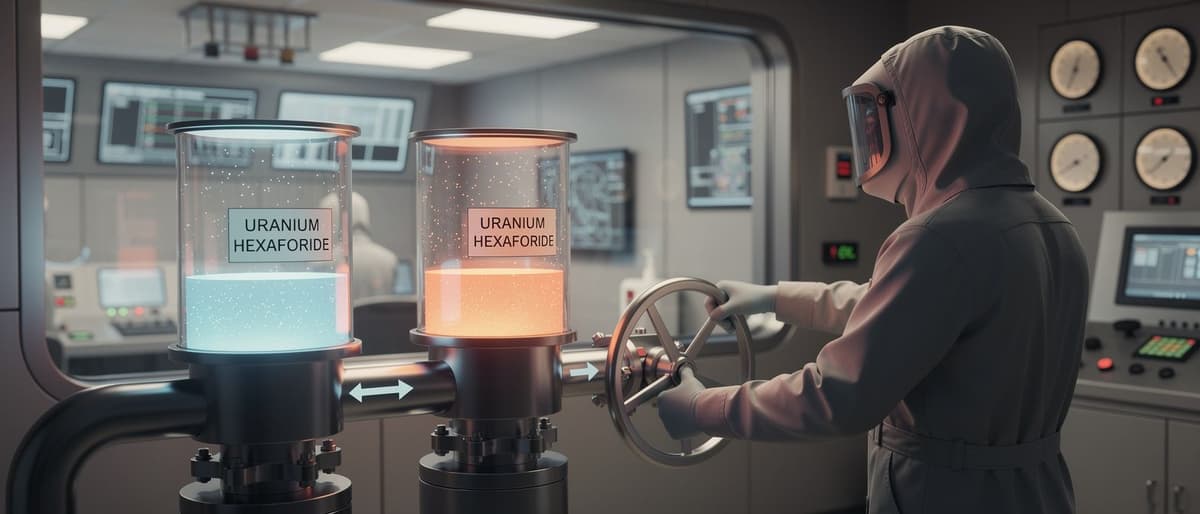
- 2Downblending means mixing highly enriched uranium (HEU) with large quantities of unenriched or lightly enriched uranium, diluting it the way you might thin a strong concentrate with water until it is too weak for a specific use.
- 3A nuclear weapon requires uranium enriched to at least 90% (called weapons-grade); power-plant fuel typically needs only 3–5%, so the gap between peaceful and weapons use is enormous and measurable.
- 4The International Atomic Energy Agency (IAEA) sends on-site inspectors who use scientific tools to verify that downblending has genuinely happened and that no enriched material has been diverted before, during, or after the process.
- 5Downblending is considered reversible — a country could in theory re-enrich diluted uranium — so sustained IAEA monitoring and strict limits on centrifuge operation are the real safeguards, not the chemistry alone.
Why it matters
Nuclear non-proliferation — keeping weapons-grade material out of more hands — is one of the most watched areas of global diplomacy. Understanding what downblending can and cannot guarantee helps citizens of any country evaluate whether a deal is as strong as politicians claim it is.
Sources
- The Hindu
- International Atomic Energy Agency (IAEA)
- US Department of State