Money
Fertilizer Prices Are Up 81%: What That Means for Indian Farmers and Food Bills
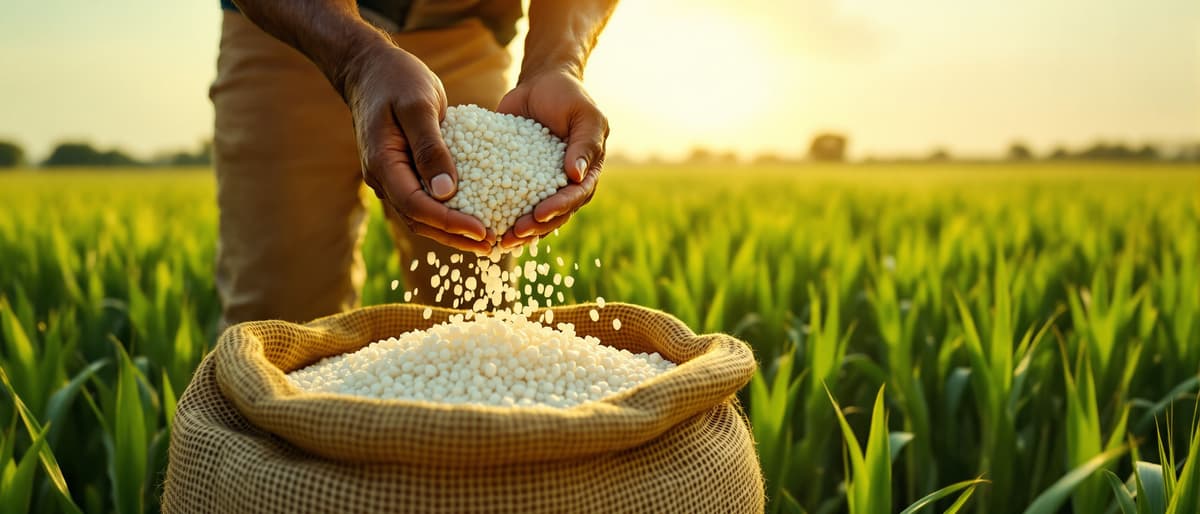
AI-generated illustration
Urea, the most common fertilizer used on Indian farms, has become 81% more expensive on global markets — and the Indian government is now stuck choosing between paying a giant subsidy bill or letting farmers pay more before the kharif (summer crop) season begins.
81%Rise in global urea prices hitting India's import bill in 2026
The facts
- 1India needs fertilizers urgently: roughly 50% of its kharif season requirement is still unmet as of May 2026, and the main planting window opens in June with the monsoon rains.
- 2Urea is a white granular fertilizer (like table salt but for soil) that helps crops grow faster — India imports large amounts because domestic production does not meet the full demand.
- 3Global urea prices have jumped 81%, meaning the Indian government's fertilizer subsidy bill — the gap it pays between the world price and what farmers are charged — is ballooning rapidly.
- 4If the government raises the price farmers pay, input costs rise for growers, which can push up prices for wheat, rice, and vegetables — items that appear in every family's grocery basket.
- 5If the government absorbs the full cost instead, it must either borrow more money, cut spending elsewhere, or raise taxes — a classic policy tradeoff with no easy answer.
Why it matters
Fertilizer prices sit at the start of a long chain: higher input costs reach farmers first, then wholesalers, then kirana shops, and finally households. For a 16-year-old learning economics, this is a live example of how a global commodity price spike travels through a subsidy system and lands on a family's dinner table — or on the government's debt ledger.
Sources
- Mint
- India Ministry of Chemicals and Fertilizers
- Food and Agriculture Organization of the United Nations (FAO)