Science
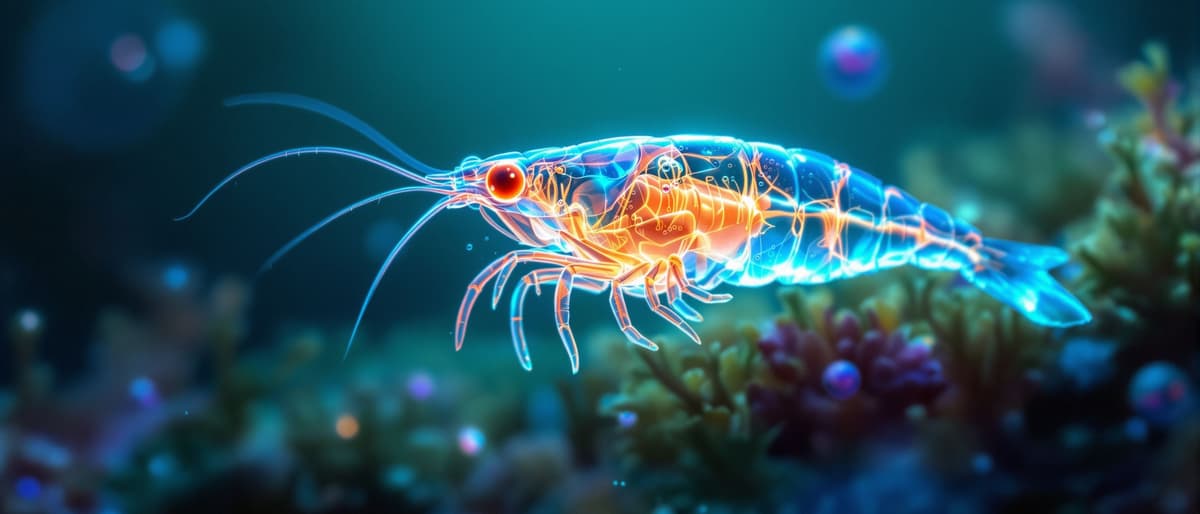
How a water flea helps scientists study lifespan
AI-generated illustration
Food supply changed how a gene affected water-flea lifespan in a 2021 experiment.
50 vs 61 daysMedian lifespans under restricted feeding
The facts
- 1Osaka University researchers disabled a gene in Daphnia magna, a tiny freshwater animal.
- 2With plentiful food, growth, reproduction and lifespan changed little.
- 3With limited food, the altered animals grew faster but produced fewer offspring during part of development.
- 4Under restricted feeding, median lifespan was 50 days for altered animals and 61 for the comparison group.
- 5These animal results do not establish a treatment for people.
Why it matters
Diet changed the effect of a genetic alteration.
Sources
- Adapted from Scientific Reports: 2021 study of DNMT3.1 and lifespan in Daphnia · Nhan Duc Nguyen et al. · Source license
Correction : We could not verify the earlier claims about switching off ageing against the named sources. The cited animal experiment does not establish a human treatment.