Money
India-New Zealand FTA: What a Free Trade Agreement Actually Does for You
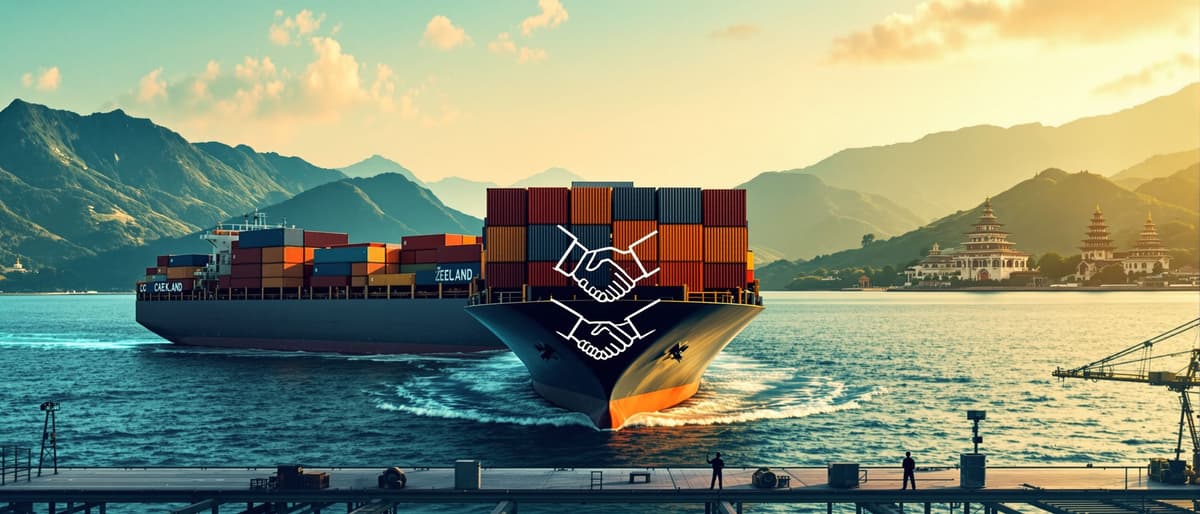
AI-generated illustration
Two countries just shook hands on a deal that could change the price of the kiwi fruit in your local market and open 5,000 new jobs abroad for skilled Indians — here is how a Free Trade Agreement works and why it matters.
5,000Work visas offered to skilled Indians under the India-New Zealand FTA employment pathway
The facts
- 1India and New Zealand signed a Free Trade Agreement (FTA) in April 2026, with New Zealand pledging a $20 billion investment into India alongside the deal.
- 2An FTA is a pact where two countries agree to cut or remove taxes called tariffs on goods traded between them, making imported products cheaper for buyers on both sides.
- 3The deal includes a Temporary Employment Entry pathway offering up to 5,000 work visas for skilled Indians — including yoga instructors and AYUSH practitioners — allowing stays of up to 3 years in New Zealand.
- 4India's fertilizer and airline sectors face rising costs because the ongoing West Asia conflict has disrupted the Strait of Hormuz, a narrow shipping lane that carries about 20% of the world's traded oil.
- 5India's fertilizer subsidy — money the government pays to keep farming costs low — was ₹1.86 trillion in 2025-26, and could rise by 20% if oil and gas prices stay high due to the Hormuz crisis.
Why it matters
FTAs reshape which jobs grow, what goods cost, and which skills become more valuable across borders. The India-New Zealand deal shows how trade policy directly connects to farm prices, fuel costs, and career opportunities — understanding these links helps citizens and workers make better decisions when headlines shift.
Sources
- Mint
- New Zealand Ministry of Foreign Affairs and Trade