Money
Oil Prices Rise Above $100 After US-Iran Peace Talks Collapse
AI-generated illustration
Oil prices climbed back above $100 per barrel after US-Iran peace talks broke down and the US announced plans to blockade Iranian ports. Higher oil prices affect the cost of fuel, food, and goods worldwide.
$100Price per barrel of oil after US-Iran talks collapsed, April 2026
The facts
- 1Oil prices rose above $100 per barrel on 13 April 2026, after the United States and Iran failed to reach a peace agreement.
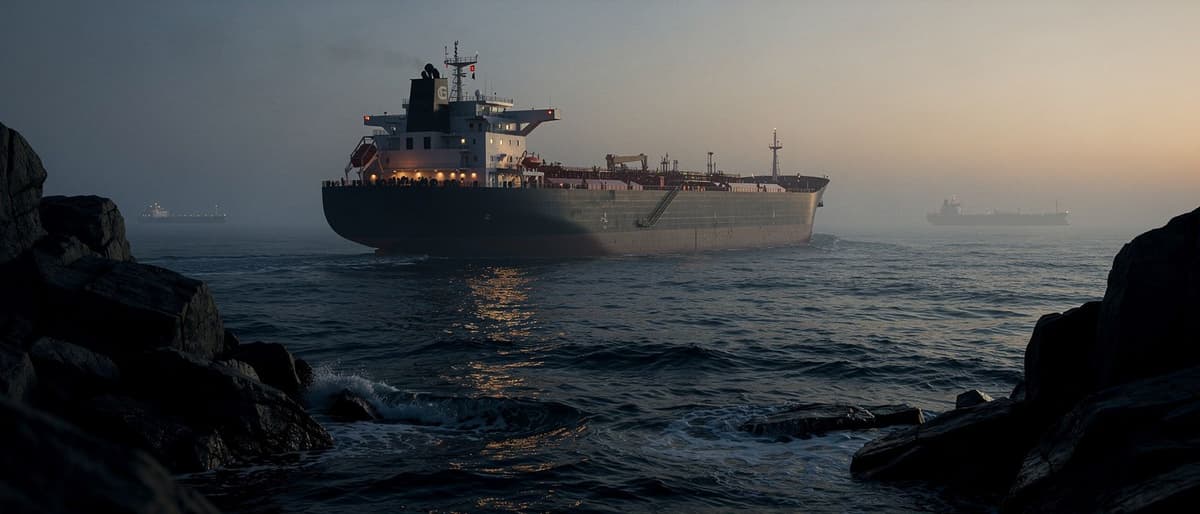
- 2The US announced plans to blockade Iranian ports in the Strait of Hormuz, a narrow sea channel through which about 20% of the world's oil supply passes.
- 3When oil becomes more expensive, the cost of making and transporting goods — from food to electronics — usually rises too, which can cause inflation.
- 4Iran is one of the world's top ten oil-producing countries, exporting millions of barrels per day; blocking its ports would reduce global oil supply.
- 5Energy economists warn that a prolonged disruption in the Strait of Hormuz could push oil prices even higher, hitting poorer countries hardest because they spend a larger share of their income on fuel and food.
Why it matters
When oil prices rise sharply, everyday life gets more expensive for families around the world — bus fares, groceries, and heating bills can all go up. Some argue the blockade is needed to pressure Iran on security issues; others warn it could trigger an energy crisis that harms ordinary people in countries that had nothing to do with the dispute. Understanding how oil prices connect to global events helps young people make sense of why prices at the shops can change because of something happening far away.
Sources
- BBC News
- The Guardian