Science
Public Buses, Fewer Imports: How India Is Responding to the Gulf Crisis
AI-generated illustration
When fuel and fertilizer supplies get disrupted by conflict far away, everyday life in India feels it fast — from bus fares to farm costs. Prime Minister Modi's June 2026 Mann Ki Baat address urged Indians to shift to public transport and natural fertilizers as a practical response.
85%Share of India's crude oil that is imported, mostly from Gulf countries
The facts
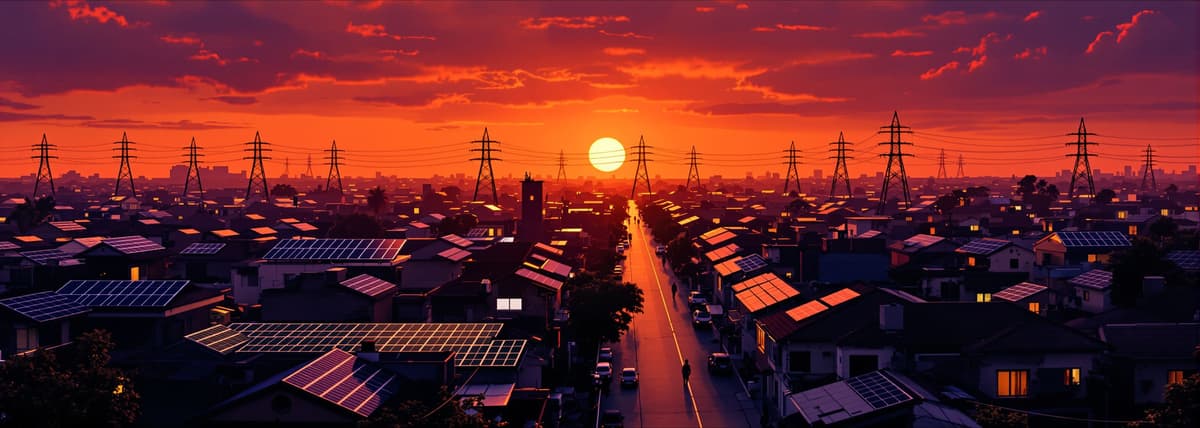
- 1India imports about 85% of its crude oil, meaning a conflict in the Gulf region — where several major oil-producing countries are located — can quickly push up fuel and transport costs across the country.
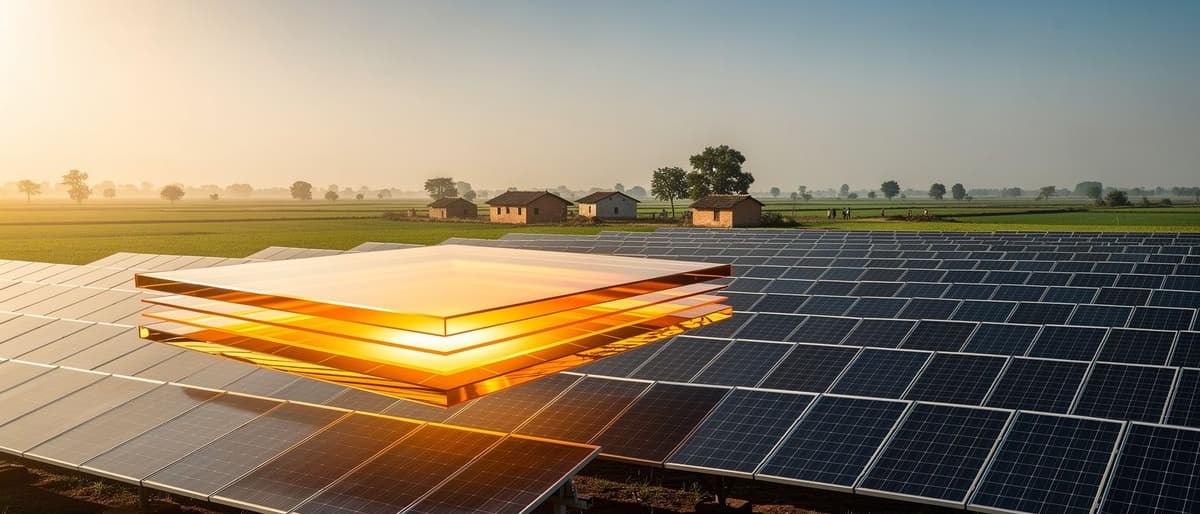
- 2Natural fertilizers, such as compost and green manure, are made from plant or animal waste and do not need imported chemicals, making farms less vulnerable when global supply chains are disrupted.
- 3In his monthly radio programme Mann Ki Baat, PM Modi noted that many Indians had already responded to an earlier appeal by postponing foreign travel and reducing gold purchases to ease pressure on the country's foreign exchange reserves.
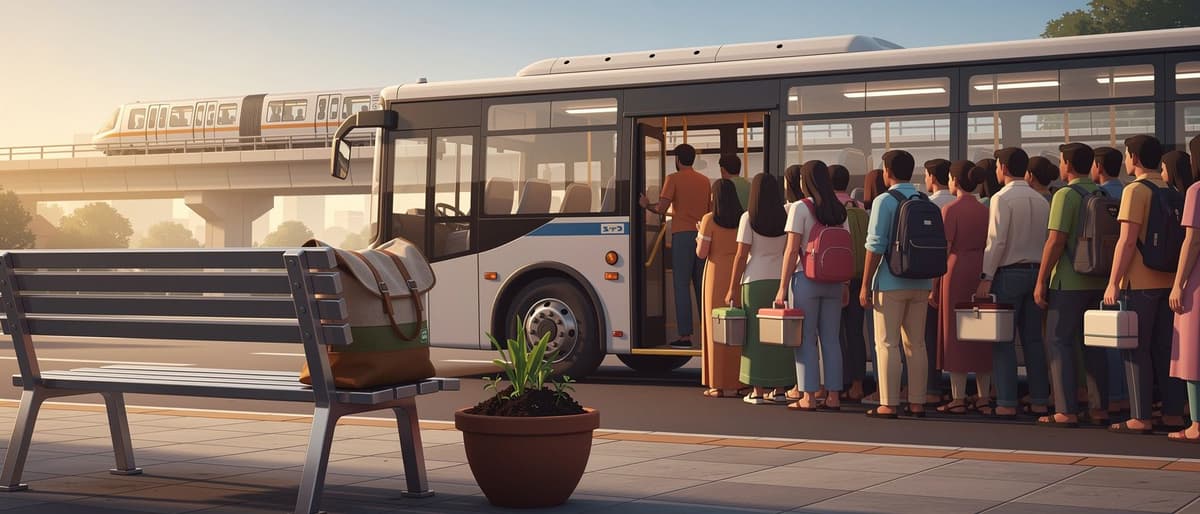
- 4Switching to public transport — buses, metros, and local trains — reduces how much fuel a country needs to import overall, because one bus replaces dozens of private cars on the same route.
- 5Economists at institutions like NITI Aayog have noted that when import bills for oil and gold rise together, the Indian rupee can weaken, making everything from electronics to edible oils more expensive for ordinary families.
Why it matters
India's dependence on Gulf oil means a distant conflict can raise prices at your local kirana shop or school canteen within weeks. Choices like taking the metro or using compost on farms are small actions that collectively reduce how much foreign currency India spends — protecting the rupee and keeping everyday goods affordable.
Sources
- Mint
- NITI Aayog
- Prime Minister's Office (Mann Ki Baat broadcast)