Money
Quality Control Orders Relaxed: What This Means for Toys, Shoes, and AC Makers in India
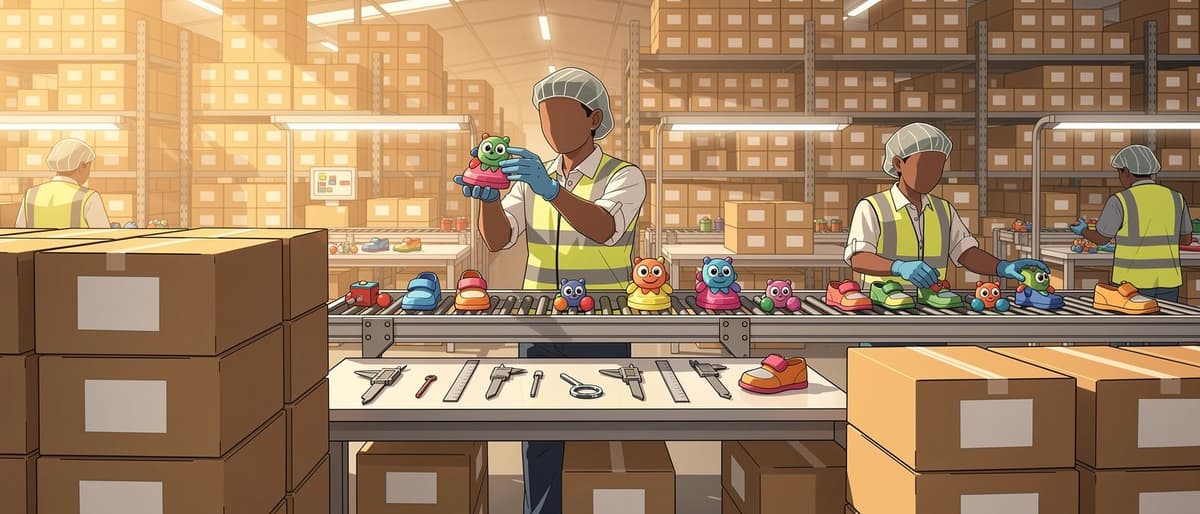
AI-generated illustration
India's government has quietly rewritten the rulebook for factory quality checks — and the change could make it easier to manufacture everything from children's toys to air conditioners inside the country. A new transition framework gives industries more time and flexibility to meet safety standards.
6 sectorsIndustries getting relief under the new QCO transition rules (toys, footwear, furniture, PPE, air conditioners, and select electronics)
The facts
- 1India's Ministry of Commerce relaxed its Quality Control Order (QCO) rules in June 2026, giving manufacturers in sectors like toys, footwear, furniture, PPE, and air conditioners more time to meet mandatory safety standards before penalties kick in.
- 2A Quality Control Order (QCO) is a government rule that says a product must meet a set Indian Standard — like a test certificate — before it can be sold; without it, the product is barred from the market.
- 3The earlier QCO regime was strict: manufacturers and importers had to comply immediately or face seizure of goods, which hit small factories hardest because they had less money to upgrade equipment quickly.
- 4The new transition framework allows a phased timeline, meaning factories get a grace period to test, certify, and adjust production lines rather than halting sales overnight — reducing the risk of sudden supply shortages.
- 5Critics of the relaxation argue that looser enforcement windows could allow substandard goods to stay in shops longer; supporters say the flexibility helps domestic manufacturers compete without being crushed by compliance costs upfront.
Why it matters
When factories can meet safety rules at a manageable pace, more Indian-made goods reach shelves — which can lower prices for families and create jobs. But the tradeoff is real: a longer grace period means consumers may encounter products that haven't yet been fully certified, so watchdog agencies like the Bureau of Indian Standards (BIS) must stay alert.
Sources
- Ministry of Commerce and Industry, Government of India
- Bureau of Indian Standards (BIS)
- Mint