Science
Super Typhoon Sinlaku Forms in the Western Pacific
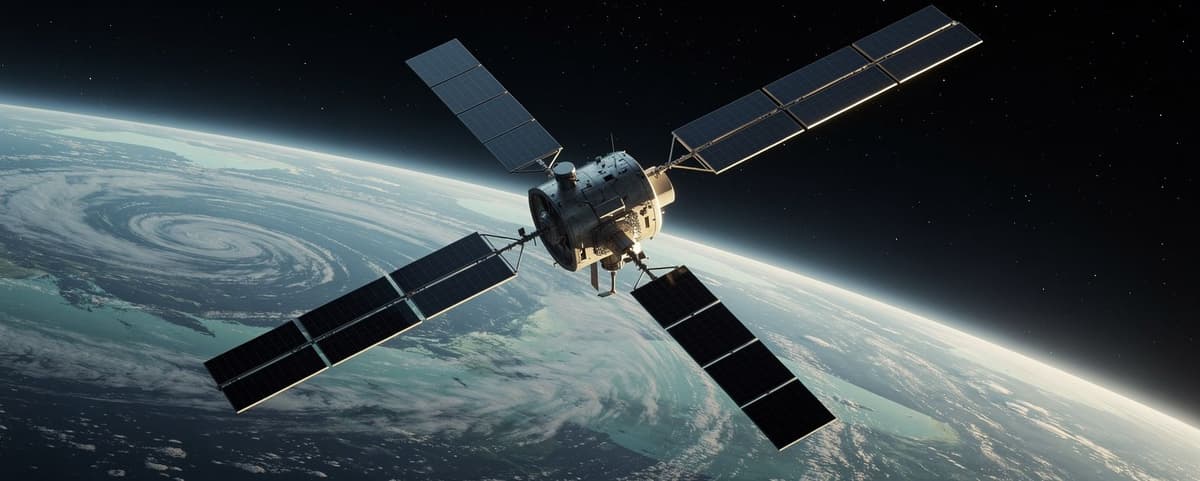
AI-generated illustration
Super Typhoon Sinlaku has developed in the western Pacific Ocean. NASA satellites are tracking its structure and wind speeds as it moves across the region.
240 km/hMinimum wind speed to be classified a super typhoon
The facts
- 1A typhoon is called a 'super typhoon' when its sustained wind speeds reach at least 150 mph (240 km/h), making it equivalent to a Category 4 or 5 hurricane.
- 2NASA uses Earth-observing satellites, including the GOES and Terra satellites, to capture images and temperature data of typhoons from space.
- 3Typhoons form over warm ocean water, usually above 26°C (79°F), which provides the heat and moisture that fuel the storm's spinning winds.
- 4The western Pacific Ocean is the most active region on Earth for tropical cyclones, producing roughly one-third of all such storms globally each year.
- 5Scientists study a typhoon's eye wall — the ring of clouds surrounding the calm centre — because it contains the storm's strongest winds and heaviest rainfall.
Why it matters
Super typhoons can affect tens of millions of people in East and Southeast Asia. Tracking them with satellites helps governments warn communities to evacuate before the storm arrives. Better forecasting means fewer lives lost when these powerful storms hit coastlines.
Sources
- NASA Earth Observatory
- BBC News