Tariffs Explained: How Import Taxes Change the Prices You Pay
6 min read / 2026-05-20
A tariff is a tax that a government puts on goods brought in from another country. Learn how tariffs work, why countries use them, and how they can affect everyday prices.
What a tariff means
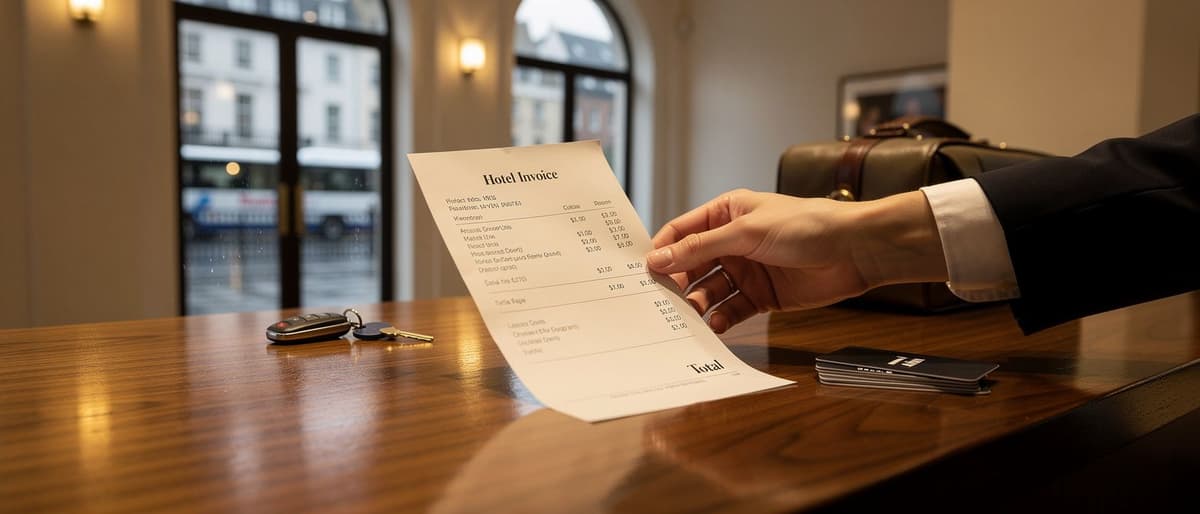
A tariff is a tax charged on goods that are imported, meaning brought in from another country. When a ship carrying foreign-made mobile phones or cooking oil arrives at a port, the government can charge a percentage of the product's value as a tax before it enters the country. That percentage is the tariff rate. For example, if India charges a 20% tariff on imported shoes worth ₹1,000, the importer pays ₹200 as tax. Importers usually pass that extra cost on to shoppers, so the shoes on the shelf cost more. Governments in every country set their own tariff rates, and these can vary widely depending on the product and where it comes from.
How tariffs work in practice
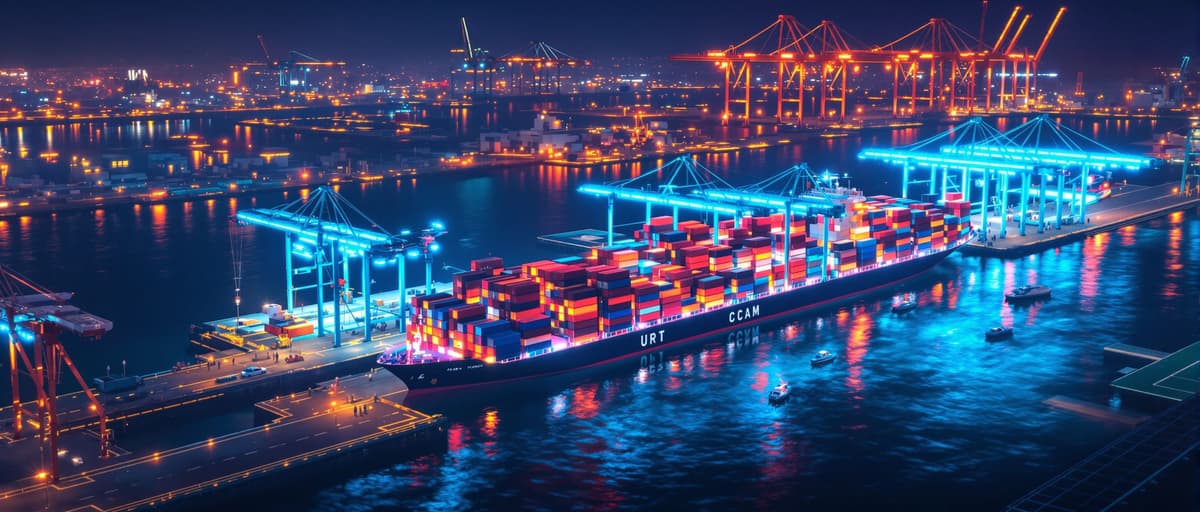
When a company wants to import goods, it goes through customs — the government department that checks what enters and leaves a country. Customs officials look at what the product is, where it was made, and how much it is worth. They then apply the correct tariff rate from a long official list. The importer pays the tax to the government. The World Trade Organization (WTO) sets international rules that most countries follow, including limits on how high tariffs can go and agreements to keep trade fair. Countries can also negotiate special deals called Free Trade Agreements, where they agree to charge lower or zero tariffs on each other's goods. India has such agreements with several countries, including the UAE and Australia.
A simple example
Imagine a kirana shop owner who wants to stock imported olive oil from Spain. Without a tariff, a bottle might cost ₹300 to import. If the government charges a 30% tariff, the importer must pay an extra ₹90 per bottle. The kirana owner buys it for more, and to avoid a loss, sells it to customers for more too. Now the same bottle might cost ₹450 on the shelf. On the other hand, if the same olive oil is made in India, it has no import tariff, so it stays cheaper. This is how tariffs can make imported goods more expensive than locally made ones — which sometimes encourages people to buy the Indian-made version instead.
Why countries use tariffs
Governments use tariffs for several reasons. First, they raise money for the government — every rupee collected at customs goes into public funds. Second, they can protect local industries. If foreign companies can make a product cheaply and sell it at a very low price, Indian companies making the same product might struggle to compete. A tariff levels the playing field by raising the price of the imported version. Third, countries sometimes use tariffs as a bargaining tool in trade talks. If one country raises tariffs on another's goods, the other country might respond by raising its own tariffs. This is called a trade dispute or, in serious cases, a trade war. The India Ministry of Commerce regularly reviews tariff rates to balance these different goals.
What to remember
Tariffs are not always good or bad — they involve real tradeoffs. Higher tariffs can protect local jobs and industries, but they can also make imported goods more expensive for ordinary families. Lower tariffs can bring cheaper products into shops, but local manufacturers may find it harder to compete. The right level depends on the product, the country, and what the government wants to achieve. The WTO helps countries negotiate and settle disagreements about tariffs so that global trade can keep working. In India, tariff rates are published by the Ministry of Commerce and can change with each year's Union Budget.
Key words
Tariff
A tax that a government charges on goods imported from another country, usually calculated as a percentage of the product's value.
Customs
The government department that monitors goods entering and leaving a country and collects any taxes owed on imports.
Free Trade Agreement
A deal between two or more countries to reduce or remove tariffs on each other's goods to make trade easier.
Trade war
When two or more countries keep raising tariffs on each other's goods as a way of applying economic pressure.
Key facts
- 1India charges different tariff rates for different products — electronics, food, and clothing can all have different rates.
- 2The World Trade Organization (WTO) has 166 member countries that follow agreed rules on tariffs and trade.
- 3A tariff is calculated as a percentage of a product's value, known as an ad valorem tariff.
- 4When two countries sign a Free Trade Agreement, they often reduce tariffs on each other's goods to near zero.
- 5India's Union Budget, presented every February, can change tariff rates on hundreds of imported products at once.
Why it matters
Tariffs directly affect the price of everyday items — from electronics to edible oil — so understanding them helps you see why imported goods cost what they do.
Sources
- World Trade Organization (WTO) — www.wto.org
- India Ministry of Commerce and Industry — commerce.gov.in