What Happens When a Central Bank Raises Interest Rates?
4 min read / 2026-08-29
When a central bank like the US Federal Reserve raises interest rates to fight inflation, borrowing gets costlier and saving gets more rewarding across the economy.
What it means
A central bank, like the US Federal Reserve or India's Reserve Bank of India, sets a benchmark interest rate that influences how much banks charge each other, and eventually you, to borrow money. Raising this rate is called a 'rate hike.' It's one of the main tools central banks use to control inflation, which is the rate at which prices for everyday goods rise over time.
How it works
When inflation runs above a central bank's target (often around 2% annually), officials often raise the benchmark rate. Higher rates make borrowing more expensive for banks, which pass that cost on through pricier mortgages, car loans, and credit cards. This is meant to slow down spending and borrowing across the economy, which in turn can cool down rising prices. It's a deliberate trade-off: slower growth now, hopefully stabler prices later.
A simple example
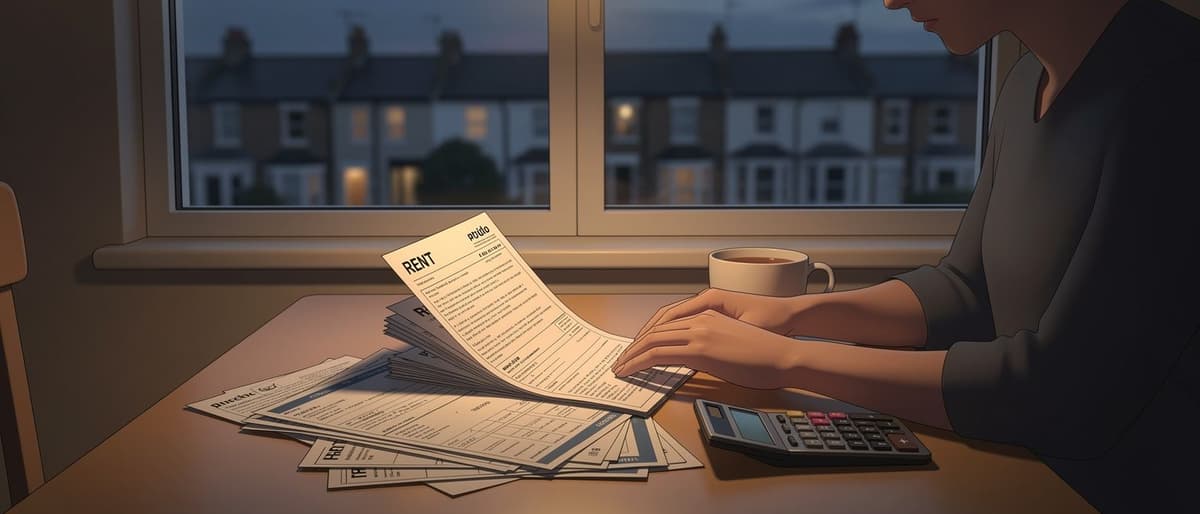
Imagine you want to take a ₹10 lakh loan for a car. If the base rate is low, your EMI might be around ₹18,000 a month. If the central bank raises rates and your bank increases loan interest by even 1-2 percentage points, your EMI could jump by a few hundred or thousand rupees each month. Meanwhile, if you have money in a fixed deposit or savings account, a rate hike often means your bank pays you more interest on that same money.
Why people talk about it
Rate decisions affect nearly everyone, from a student paying off an education loan to a family renting a home to a business owner planning expansion. Markets react quickly to hints from central bank leaders, like Federal Reserve Chair Kevin Warsh's comments on inflation, because investors try to predict future borrowing costs and adjust stock and bond prices accordingly, sometimes even before an actual rate change happens.
What to remember
Rate hikes are a balancing act: they aim to control inflation but can also slow economic growth and job creation if raised too aggressively or too fast. Borrowers usually feel the pinch first, while savers may benefit through higher returns on deposits. The exact impact depends on the country, the size of the hike, and how quickly banks adjust their own rates in response.
Key words
Benchmark interest rate
The key interest rate set by a central bank that influences borrowing costs across the whole economy.
Inflation
The rate at which prices for goods and services rise over time, reducing how much your money can buy.
EMI
Equated Monthly Installment, the fixed monthly payment a borrower makes to repay a loan over time.
Key facts
- 1A central bank's benchmark rate influences nearly all other interest rates in an economy, including loans and savings accounts.
- 2The US Federal Reserve has historically targeted about 2% annual inflation as a sign of a healthy, stable economy.
- 3When rates rise, banks typically raise interest on both loans (bad for borrowers) and deposits (good for savers).
- 4Central bank speeches, like those at the Jackson Hole symposium in Wyoming, are closely watched by global financial markets for policy hints.
- 5Rate decisions can affect currency values, stock markets, and even how much interest a government pays on its own debt.
Why it matters
Understanding how rate hikes work helps you see why news about a Fed Chair's speech can move markets and eventually change what you pay for loans or earn on savings.
Sources
- NPR
- Federal Reserve
- Reserve Bank of India (RBI)