What Is an Oil Chokepoint? Why the Strait of Hormuz Affects Fuel Prices Everywhere
5 min read / 2026-08-04
An oil chokepoint is a narrow shipping route that a huge share of the world's oil must pass through, and the Strait of Hormuz near Iran is the most important one on Earth.
What it means
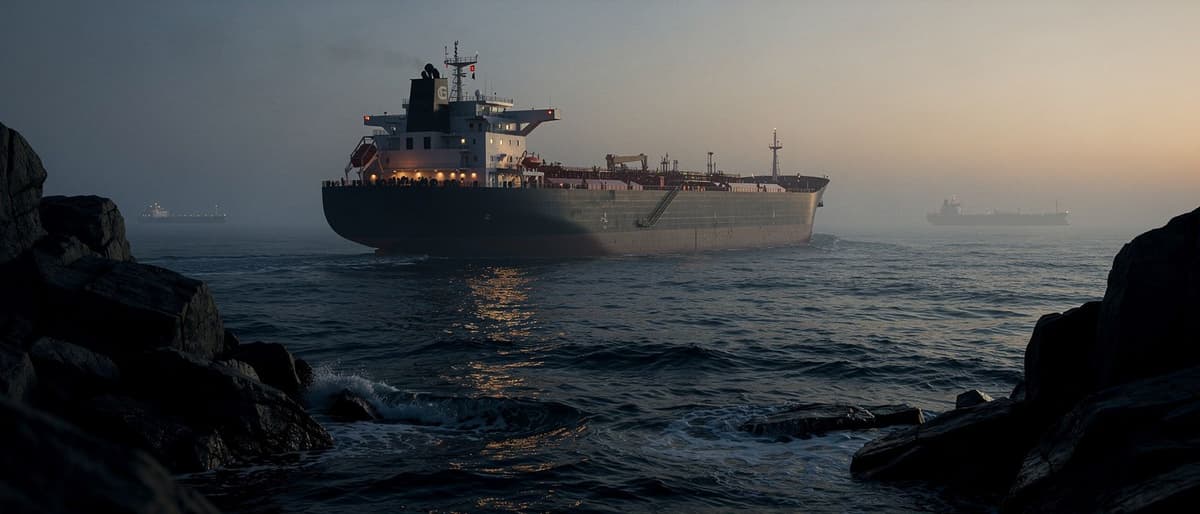
A chokepoint is a narrow waterway that a large volume of global trade must pass through because there is no easy alternative route. The Strait of Hormuz, between Iran and Oman, is only about 33 km wide at its narrowest point, yet roughly a fifth of the world's seaborne oil trade sails through it every day. Tankers leaving oil producers like Saudi Arabia, Iraq, and the UAE almost all pass this way before reaching refineries in Asia, Europe, or elsewhere.
How it works
Oil tankers are large, slow ships carrying cargo worth tens of millions of dollars. Insurance companies calculate premiums based on risk, so if attacks or threats rise in a region, insurers charge more to cover a ship sailing through it. Shipping companies pass this added cost into freight rates, and oil traders factor the risk into the price they are willing to pay. Because oil is bought and sold globally in real time, a threat in one narrow strait can move prices within hours, even for countries far away that import oil by other routes.
A simple example
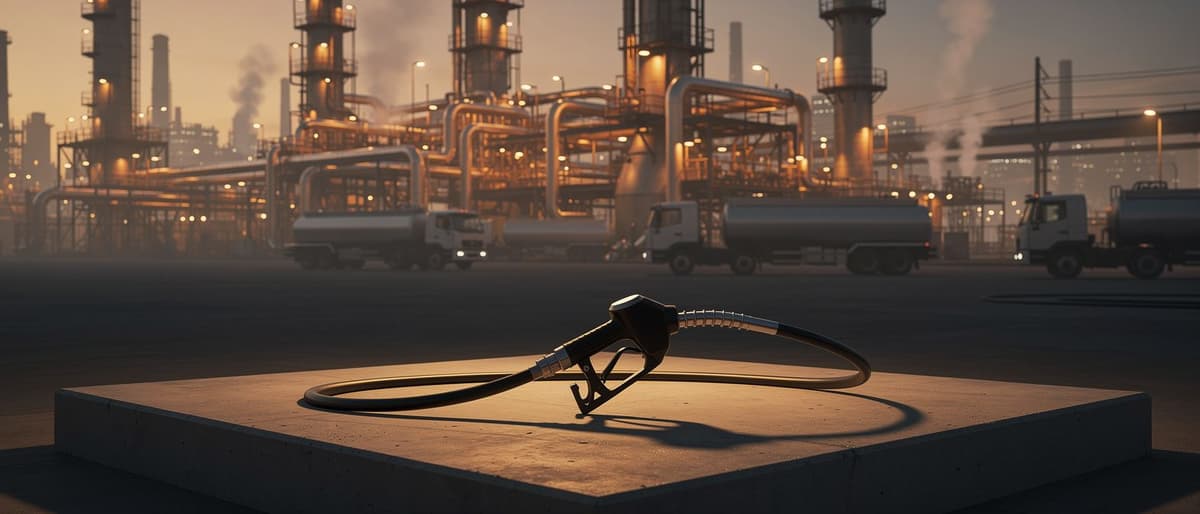
Think of the Strait of Hormuz like a single toll bridge that most trucks delivering fuel to a city must cross. If word spreads that trucks are being robbed near that bridge, insurance for using it goes up, drivers demand more pay for the risk, and fuel delivery costs rise. Fuel stations pass that cost to customers, even though the actual robbery happened far from any single city. This is why an attack near Iran can eventually affect petrol prices in India, Europe, or the United States.
Why people talk about it
Global economies depend heavily on stable, affordable energy. India imports a large share of its crude oil, so shipping risk near Hormuz directly affects its import bill, currency, and inflation. Governments, shipping companies, and oil-importing nations watch this corridor closely because a sustained disruption there has historically been one of the fastest ways for a regional conflict to affect prices worldwide, well beyond the countries directly involved.
What to remember
Chokepoints are not about oil supply running out; they are about the cost and risk of moving oil safely. Even small increases in shipping risk can ripple into higher insurance costs, freight rates, and eventually fuel prices. Because there is no easy alternative route around Hormuz for most Gulf oil, any escalation there tends to draw global attention quickly, from analysts to central banks.
Key words
Chokepoint
A narrow shipping route that carries a large share of global trade because there is no practical alternative path.
Freight rate
The price charged to transport cargo, such as oil, by ship from one location to another.
Insurance premium
The amount paid to an insurer to cover potential losses, which rises when the insured risk increases.
Key facts
- 1The Strait of Hormuz carries about 20% of the world's seaborne oil trade.
- 2It is only around 33 km wide at its narrowest navigable point.
- 3Oil producers like Saudi Arabia, Iraq, and the UAE rely on this route to reach global buyers.
- 4Rising attack risk increases tanker insurance premiums, which raises shipping costs.
- 5India, as a major oil importer, is directly exposed to price shocks from Hormuz disruptions.
Why it matters
Chokepoint risk explains why a regional shipping incident near Iran can raise fuel costs for households and businesses thousands of kilometers away.
Sources
- BBC News
- US Energy Information Administration