Why Do Governments Collect Taxes, and What Is a Tourist Tax?
4 min read / 2026-09-10
Governments collect taxes to pay for shared services like roads and policing, and a tourist tax is a small extra charge on visitors that helps a city fund the services they use.
What it means
A tax is money that people or businesses must pay to a government, which then uses it to fund things everyone benefits from, like roads, schools, hospitals, and street lighting. Taxes are not optional payments for a specific product; they are collected by law so a government can run public services for a whole community, even for people who never directly use a particular service.
How it works
Governments choose what to tax based on who should pay and what is fair. Income tax is based on what you earn, like a portion taken from your first salary. Sales tax, like GST in India, is added to things you buy. A tourist tax works differently: it targets visitors specifically, usually as a small flat fee per night in a hotel, added to the bill and collected by the accommodation provider before being passed to the local authority.
A simple example
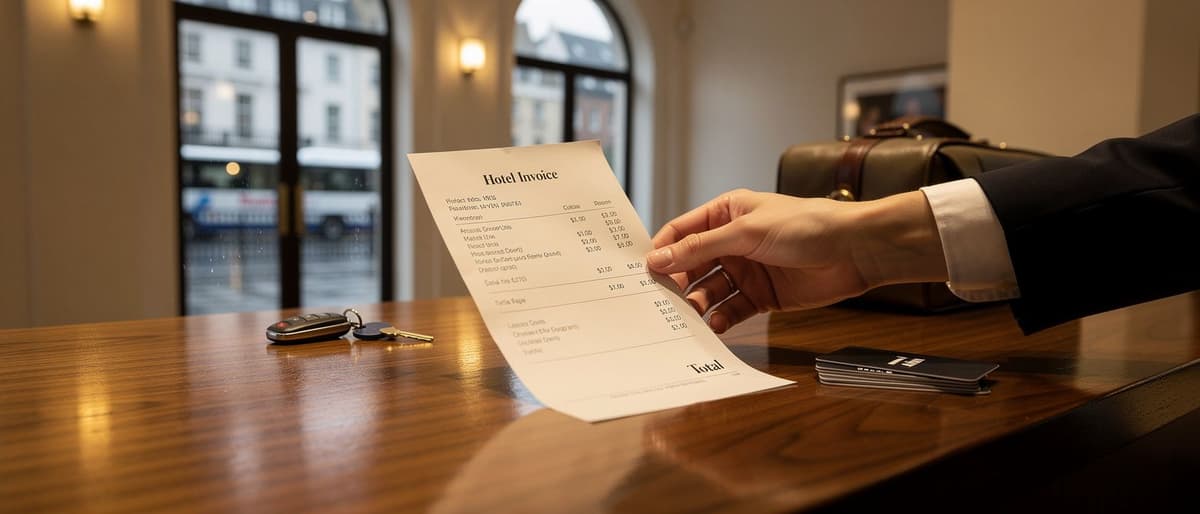
Imagine renting a hotel room for two nights in a city that adds a £1-per-night visitor charge, similar to Manchester's existing system. Your final bill would include an extra £2, on top of the room cost and any other applicable taxes. The hotel does not keep this money; it forwards it to the local authority, which might use it to maintain tourist attractions, clean public spaces, or fund transport that both residents and visitors use.
Why people talk about it
Tourist taxes are debated because they raise money without increasing taxes on local residents, since visitors who use city services temporarily help pay for them. Many European cities, including Paris, Rome, and Amsterdam, already charge similar fees. Critics argue it raises travel costs and could discourage visitors, while city officials argue tourists strain infrastructure like roads, waste collection, and emergency services, so a small contribution seems fair. This tension is common with new taxes, since money must come from somewhere.
What to remember
Taxes fund shared public services, and how a government designs a tax depends on who should logically pay for what. A tourist tax specifically asks visitors to contribute toward local services during their stay, rather than spreading that cost across all local taxpayers. Understanding this distinction helps explain why some taxes target everyone and others target a specific group, like short-term visitors to a city.
Key words
Tax
Money that people or businesses are legally required to pay to a government to fund public services.
Tourist tax
A small fee charged to visitors, often per night of a hotel stay, used to fund local services in that area.
GST
Goods and Services Tax, a tax added to the price of most goods and services in India.
Local authority
A regional or city-level government body responsible for managing local public services.
Key facts
- 1Taxes are compulsory payments to a government, unlike voluntary fees or donations.
- 2Income tax is based on earnings, while sales tax like GST is added when goods or services are purchased.
- 3A tourist tax usually applies only to overnight visitors, often as a small per-night charge on accommodation.
- 4Cities like Paris, Rome, Amsterdam, and Barcelona already charge tourist taxes to fund local services.
- 5Local governments often use collected taxes for infrastructure, waste management, transport, and public safety.
Why it matters
Understanding why and how taxes are collected explains why cities are considering new charges like a tourist tax to fund services without raising taxes on residents.
Sources
- OECD
- Ministry of Finance, Government of India
- BBC News
Related stories
England's Regional Mayors May Soon Get Power to Charge a Tourist Tax

UK's Help to Buy Scheme Mostly Benefited Higher-Income Households, IFS Finds