Science
A new battery 'glue' could make recycling cleaner, lab tests suggest
AI-generated illustration
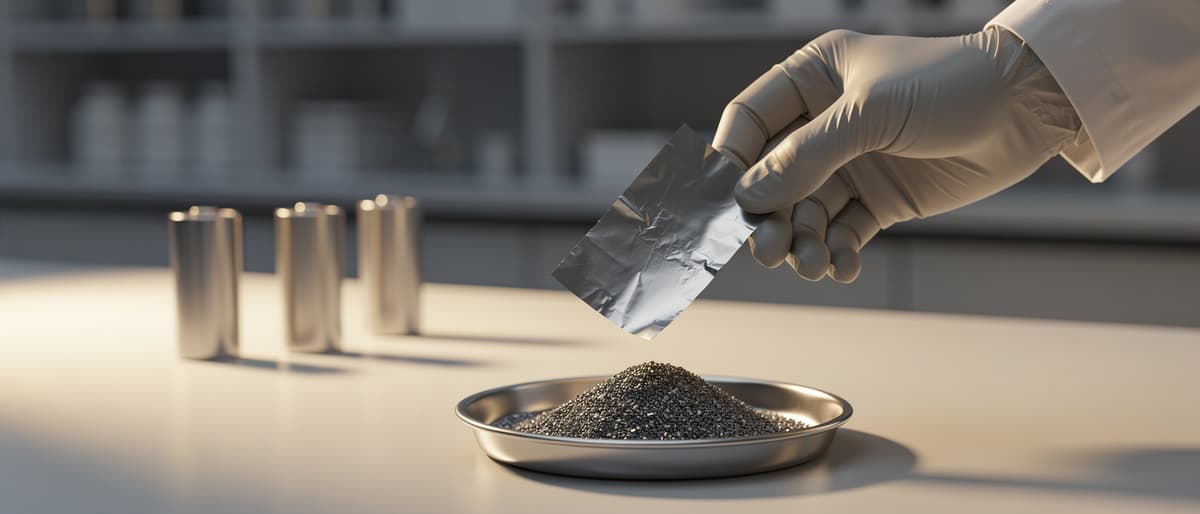
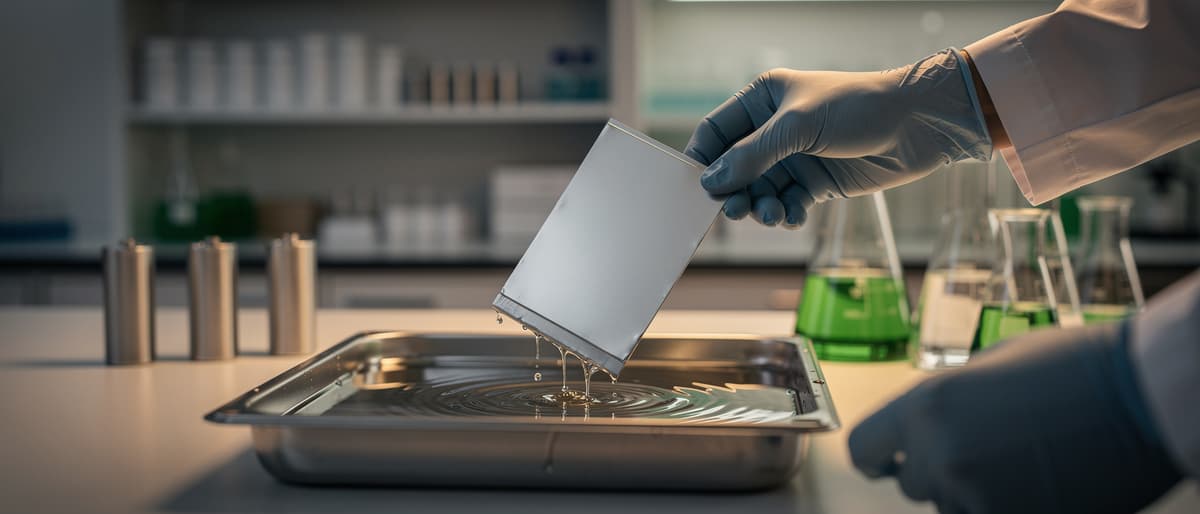
A material that holds battery particles together helped recover used parts without leaving fluorine-containing waste in lab tests. It can also be processed using water during manufacturing.
3 ingredientsTwo chain-like materials joined by citric acid; the binder can be processed in water.
The facts
- 1The material is a binder: a glue-like substance that holds particles together in a battery's electrodes, the parts where charging and discharging reactions happen.
- 2Its recipe joins two polymers, materials made of long molecular chains, with citric acid. It contains no fluorine and can be processed in water.
- 3Lithium iron phosphate electrodes made with the binder stored a similar starting amount of charge to standard ones and held up better over repeated charging cycles.
- 4Recovered positive and negative electrodes performed as well as new materials. A life-cycle analysis, an estimate of environmental impacts, found lower recycling energy costs and emissions than for batteries using conventional fluorine-based binders.
- 5The abstract describes lab tests and environmental estimates. It does not quantify the recycling gains or establish factory costs and performance.
Why it matters
Battery design affects what can be recovered after use. This approach could help reuse valuable parts with less recycling waste, if the lab results carry over to factory scale.
Sources
- Adapted from Nature Communications: Fluorine-free polymer binder enables circular manufacturing and recycling of lithium-ion batteries · Jiao Lin, Anthony Mu, Wei Tang, Feng Li, Yuwei Zhu, Mingqian Li, Ram Hemanth Yeerella, Christopher Potts, Shengqiang Cai, Linqin Mu, John Muldoon, Zheng Chen · Source license