Science
Spent EV battery powder turned into thin lithium metal foil in lab tests
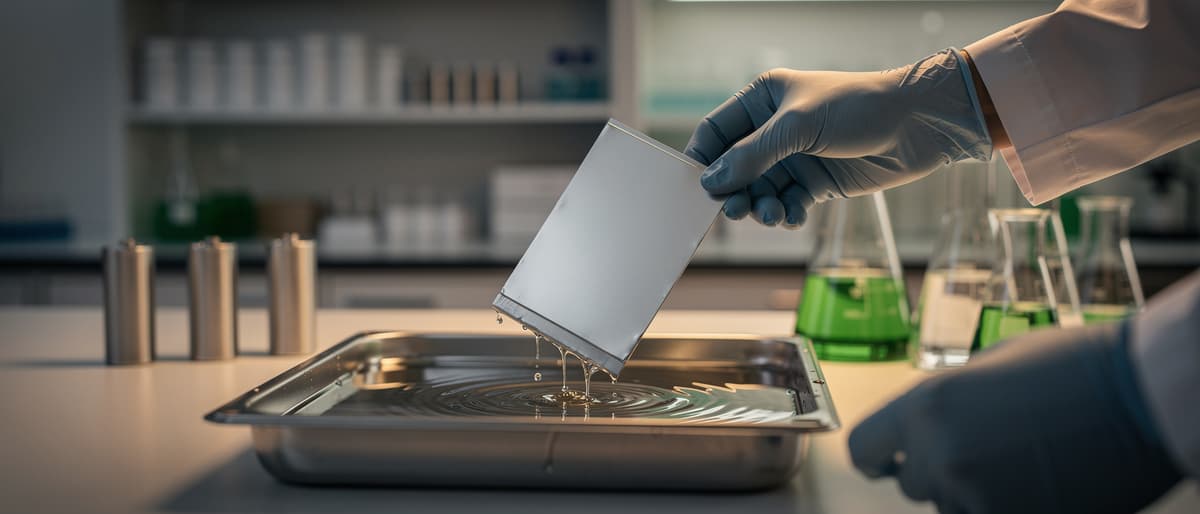
AI-generated illustration
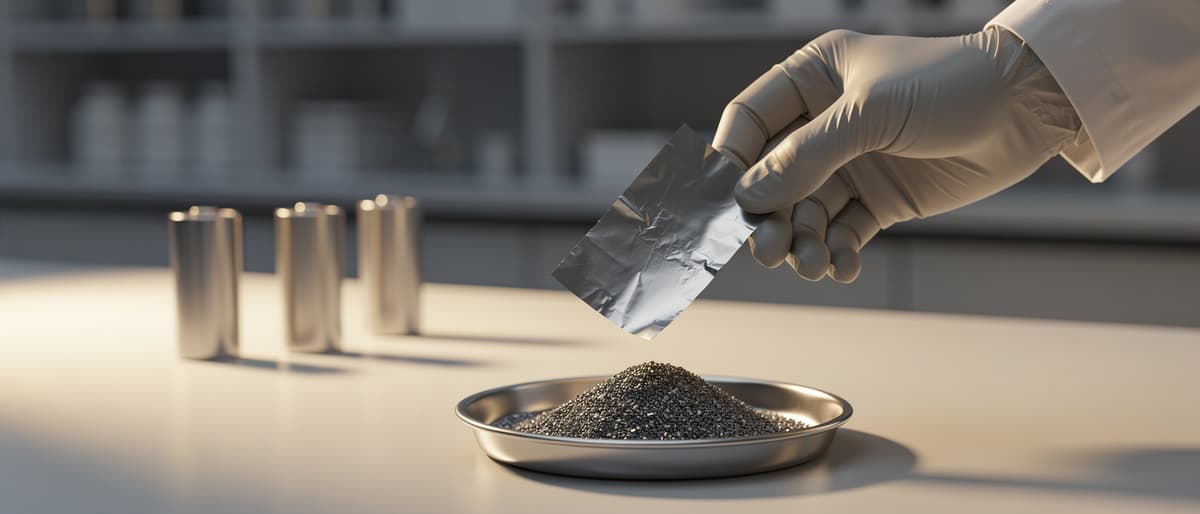
Lithium left in used lithium iron phosphate batteries was converted into thin lithium metal foil in a lab process. The work used simulated spent powder and recovered 98% of the lithium.
98%final lithium extraction from simulated spent battery powder
The facts
- 1The puzzle is what to do with the growing pile of spent lithium iron phosphate batteries, a type of battery that electric vehicles are producing in large quantities.
- 2The method uses a helper chemical, called a redox mediator, to turn simulated spent battery powder straight into thin lithium metal. That helper chemical can be regenerated.
- 3The process reached 98% final lithium extraction. The foils carry a pre-formed surface layer that tolerates volume changes and resists corrosion from air.
- 4In lithium-to-lithium test cells, the recycled metal cycled for more than 1,200 hours. Interface resistance stayed stable and less electrolyte broke down.
- 5Paired with an NCM811 electrode, cells kept 91.4% of capacity over 400 cycles. The work used simulated spent powder, so real-world recycling performance is not established here.
Why it matters
It shows a lab route where recycling recovers lithium and also builds a battery electrode in one process. The abstract does not show industrial or real-world use.
Sources
- Adapted from Nature Communications: Closed-loop upcycling of residual lithium in LiFePO4 into tunable thin lithium metal electrodes · Keyu Zheng, Jiashu Yuan, Said Amzil, Shuangshuang Wang, Yinghui Li, Shunjie Xu, Wenhao Jia, Le Huang, Lei Zhang, Jin Zhu, Linjun Luo, Jie Gao, Yongyao Xia, Yonggao Xia · Source license