Money
Food Fraud Explained: When 'Lamb' Kebabs Are Actually Goat and Skin
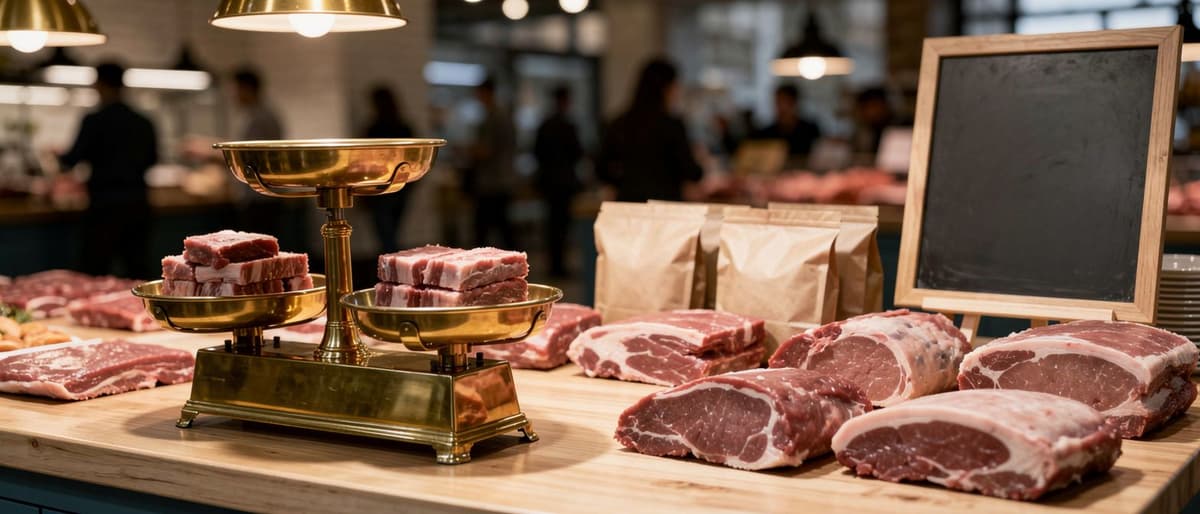
AI-generated illustration
Millions of people may have paid lamb prices for kebabs that were secretly made with cheaper goat meat, fat, and skin — raising questions about how food labelling protects consumers and their wallets.
100%Maximum horsemeat found in some 'beef' lasagnes in the 2013 European scandal — the benchmark the new kebab case is being compared to
The facts
- 1UK food-safety tests found that millions of takeaway kebabs sold as 'lamb' likely contained goat meat, animal skin, and fat — ingredients customers never agreed to buy.
- 2Food fraud means selling a cheaper or different product while charging for a more expensive one; it harms both consumers who pay more than they should and honest businesses that follow the rules.
- 3The UK's Food Standards Agency (FSA) said the scale of the problem is comparable to the 2013 horsemeat scandal, when beef lasagnes in Europe were found to contain up to 100% horsemeat instead.
- 4Goat is usually cheaper than lamb on wholesale markets, so switching the meat quietly can increase a seller's profit margin without reducing the price shown to customers — a hidden cost borne entirely by the buyer.
- 5Food labelling laws in both the UK and India require sellers to list ingredients honestly; breaking these rules can lead to fines or licence cancellations, but enforcement is harder for small unpackaged takeaway foods.
Why it matters
Food fraud quietly shifts money from consumers to dishonest sellers. When you pay for lamb and receive goat, you lose the difference in price every single time. Stronger labelling rules and regular testing protect buyers — but gaps in oversight for street food and takeaways mean the burden often falls on the consumer to ask questions.
Sources
- UK Food Standards Agency (FSA)
- BBC News
- UK Government Food Safety Regulations 2013 Horsemeat Incident Review
Related explainer
Related stories

Money3 min read
Insurance Explained: How a Small Regular Payment Can Save You from a Big Surprise Bill

Money3 min read
What Is Insurance — and Why Paying for Something You May Never Use Still Makes Sense

Money2 min read