Science
Heartbeat stretching may shield heart valve collagen from breakdown, pig heart tests suggest
AI-generated illustration
Heart valve flaps open and close millions of times a year yet stay strong for decades. Tests on pig hearts suggest the natural stretch pattern of each heartbeat protects their collagen from enzymes that would otherwise break it down.
70% lengthwise to 20% sidewaysNatural stretch ratio of a healthy open valve flap, relative to its maximum
The facts
- 1Collagen keeps valve flaps strong, yet the fluid around the heart contains enzymes built to break collagen down. The puzzle was why healthy valves still last for decades.
- 2The team used pig hearts and varied three things: how much the flaps were stretched, the direction of the pull, and the enzyme level in the surrounding fluid.
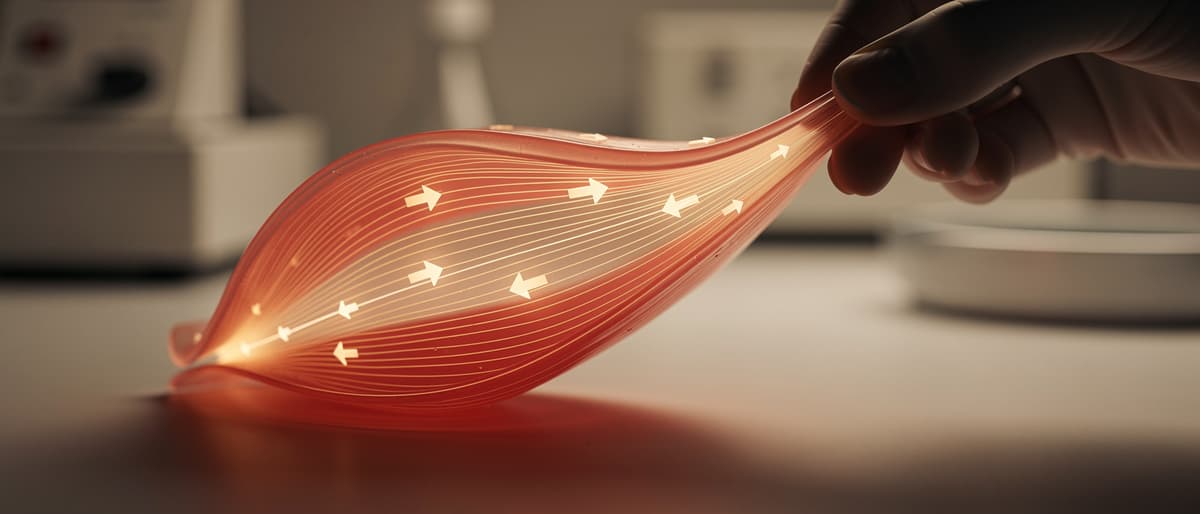
- 3In a healthy beat with the valve open, the flap stretches to 70% of its maximum lengthwise and 20% sideways. The tests reproduced that ratio at other strain levels too, such as 35% to 10%.
- 4Collagen stayed undamaged when the ratio was preserved, even with raised enzyme levels. When the ratio changed, including equal stretch in both directions, collagen broke down whatever the enzyme level.
- 5The authors say this may explain why flaps degrade fast in heart disease, if altered strain removes the protection. Only pig hearts were tested, and the paper's suggested use is designing replacement valve materials.
Why it matters
It offers a mechanical explanation for valve durability and for faster decay in disease. The authors suggest it could inform biomaterials for replacement valves, though that is a proposed use.
Sources
- Adapted from Futurity: How do heart valves last so long? · NC State · Source license