How the Liver Works, and Why Fatty Liver Disease Can Go Unnoticed
5 min read / 2026-10-04
The liver quietly filters your blood and manages fat and energy every day, which is exactly why a condition like fatty liver disease can build up for years before anyone feels sick.
What it means
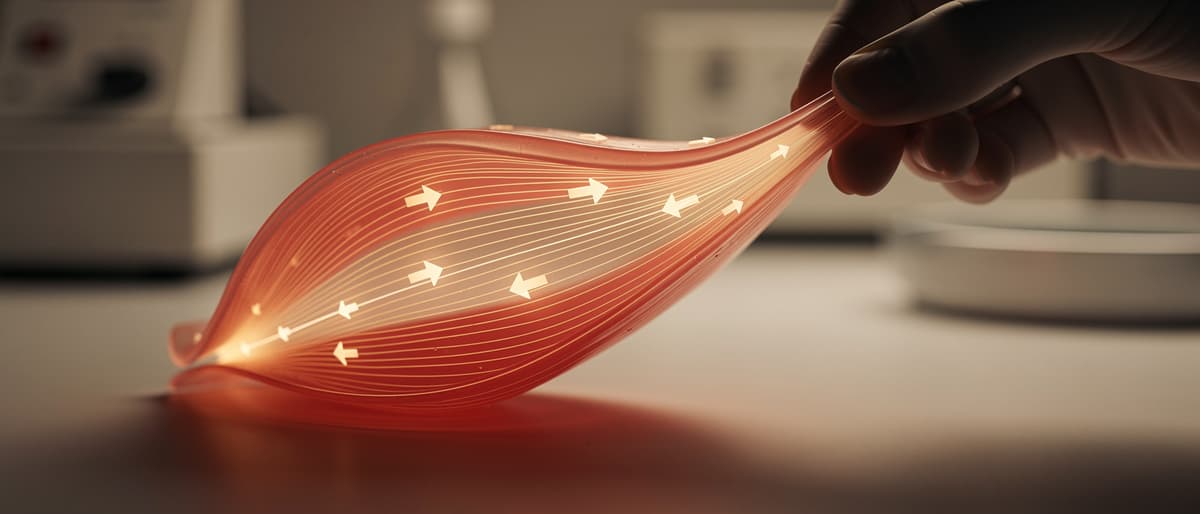
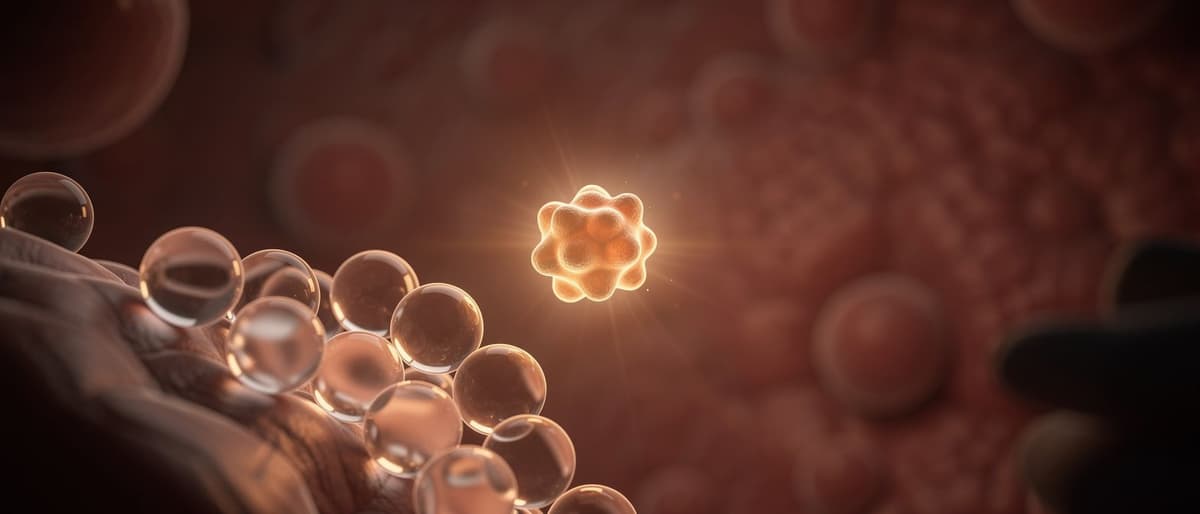
The liver is a large organ tucked under your right ribs that filters blood, breaks down nutrients, and removes toxins, including leftover medicine or alcohol. It also manages fat: when you eat more energy than you use, the liver stores some of it as fat. Fatty liver disease happens when too much fat builds up inside liver cells, like a sponge slowly getting waterlogged. Doctors now often call this MASLD (metabolic dysfunction-associated steatotic liver disease) because it is linked to things like weight, blood sugar, and cholesterol rather than alcohol alone.
How it works
The liver has huge spare capacity, which is usually a strength but becomes a hidden risk here. It can keep working normally even while a large portion of its cells are filling up with fat, so blood tests and energy levels may look fine for years. Over time, though, fat buildup can trigger inflammation, like a low simmering fire inside the tissue. If that continues, the liver starts forming scar tissue called fibrosis, and in advanced stages, cirrhosis, where scarring is widespread and the liver struggles to function. This is why scientists are excited about finding a natural enzyme that may act like a brake slowing this progression before it reaches cirrhosis.
A simple example
Think of your liver like a phone battery that silently manages charge in the background. You do not notice anything until the battery health has already degraded a lot. Similarly, someone with fatty liver disease might feel completely normal, go to work, play cricket on weekends, and only discover an issue years later during an unrelated checkup, by which time some damage may already be harder to reverse.
Why people talk about it
Fatty liver disease is common and can occur alongside conditions such as type 2 diabetes. It does not always progress to serious damage: NIDDK distinguishes fat accumulation with little inflammation from MASH, which involves inflammation and injury and can lead to scarring. The related enzyme study concerns a possible way to limit progression in mice, not an available diagnostic test or a proven treatment for people.
What to remember
Liver disease can develop with few early symptoms, while its course differs between people. Clinical assessment and care are separate from early laboratory discoveries. Researchers found that restoring UBE2N reduced liver injury in mice; whether this approach is safe and useful in people needs further research.
Key words
MASLD
Metabolic dysfunction-associated steatotic liver disease, the updated medical name for fatty liver disease linked to metabolic health.
Fibrosis
The formation of scar tissue in an organ, often as a response to ongoing inflammation or damage.
Cirrhosis
Severe, widespread scarring of the liver that impairs its ability to function normally.
Enzyme
A natural protein in the body that speeds up or regulates chemical reactions, such as controlling damage in cells.
Key facts
- 1The liver filters blood, removes toxins, and manages how the body stores and uses fat.
- 2MASLD, the newer name for fatty liver disease, is linked to metabolic factors like blood sugar and weight, not just alcohol.
- 3The liver can function normally for years even while fat is building up inside its cells, delaying symptoms.
- 4Untreated fatty liver disease can progress to inflammation, scarring (fibrosis), cirrhosis, and in severe cases liver cancer.
- 5Public health institutions like the NIDDK track fatty liver disease because of how common and under-diagnosed it has become globally.
Why it matters
Understanding disease progression helps readers separate established health information from early research into possible future treatments.
Sources
- ScienceDaily: This protective enzyme could help stop fatty liver disease from getting worse
- National Institute of Diabetes and Digestive and Kidney Diseases (NIDDK): Definition and facts of NAFLD and NASH (also called MASLD and MASH)
- Cedars-Sinai: Study: Enzyme May Help Protect Against Severe Liver Disease
Correction : The linked enzyme research is an experiment in mice, not a diagnostic test or an established treatment for people. Fatty liver disease does not always progress to severe damage.