Science
Space Weather Is Real — and NASA's New Mission Will Help Us Predict It
The sun constantly fires invisible storms of charged particles toward Earth, and a newly selected NASA mission will study how these space weather events interact with our atmosphere to improve forecasts that protect satellites, power grids, and astronauts.
40 metresGPS error caused by the May 2024 solar storm in affected regions
The facts
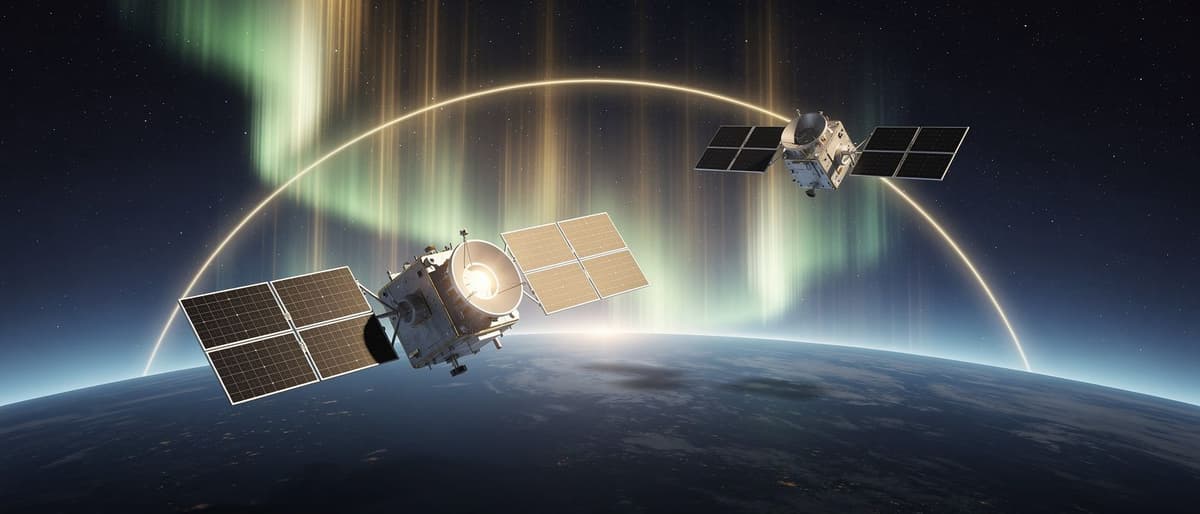
- 1NASA has selected a new mission concept called DYNAMIC (Dynamic Neutral Atmosphere-Ionosphere Coupling) to study how energy from the sun travels downward through Earth's upper atmosphere and disrupts the space environment nearby.
- 2Space weather refers to disturbances caused by solar activity — like solar flares and coronal mass ejections (CMEs) — that fling streams of charged particles toward Earth at millions of kilometres per hour.
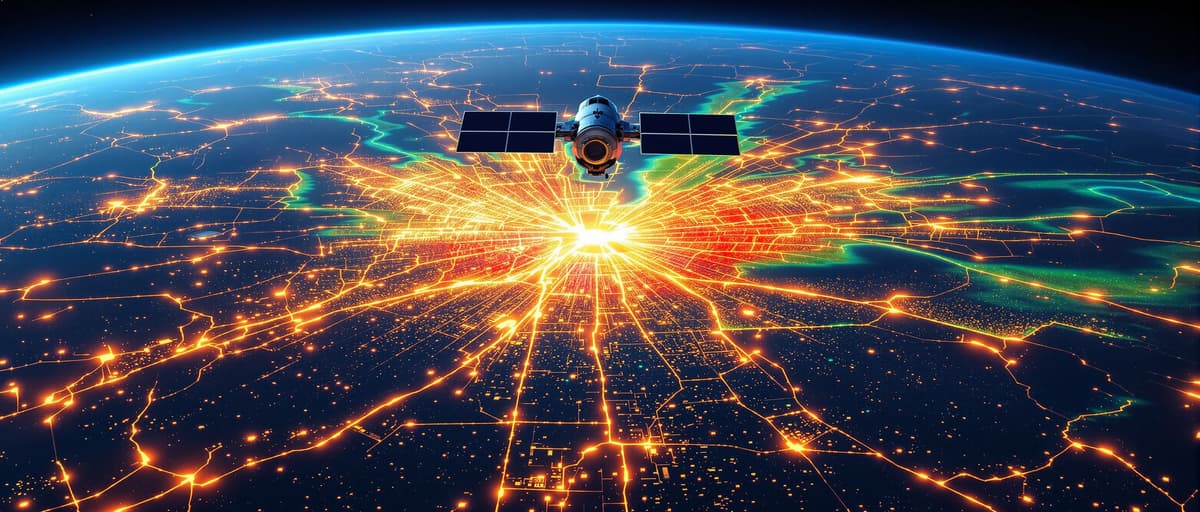
- 3Earth's ionosphere, a layer of atmosphere roughly 60–1,000 km above the ground, is where space weather and regular weather meet; disturbances there can scramble GPS signals and radio communications used by aircraft, ships, and mobile networks.
- 4When a powerful CME struck Earth in May 2024, it caused GPS errors of up to 40 metres in some regions and briefly disrupted power grids in parts of Europe and North America, showing the real-world cost of poor space-weather prediction.
- 5The DYNAMIC mission will use twin satellites to separate signals from above and below the ionosphere, helping scientists build better forecast models — much like weather satellites improved rain predictions on the ground.
Why it matters
Every time you use Google Maps, board a flight, or make a UPI payment that routes through a satellite, you depend on systems that space weather can disrupt. Better forecasts give engineers and governments time to protect infrastructure before a solar storm hits — which matters more as our world grows more connected.
Sources
- NASA
- European Space Agency (ESA) Space Weather Service Network