What Is Climate Change and Why Are Wildfires Popping Up in New Places?
5 min read / 2026-08-24
Climate change is the long-term shift in global temperature and weather patterns, and it explains why regions like Wales, not known for wildfires, are now burning and releasing stored carbon.
What it means
Climate change refers to long-term shifts in temperature and weather patterns across the planet. While Earth's climate has always changed slowly over thousands of years, the current warming is happening much faster because of human activities, mainly burning coal, oil, and gas. These fuels release greenhouse gases like carbon dioxide into the air, which trap heat the way a blanket traps warmth. This extra heat does not just make summers hotter; it also changes rainfall, drought patterns, and wind, making some places dangerously dry when they used to be damp.
How it works
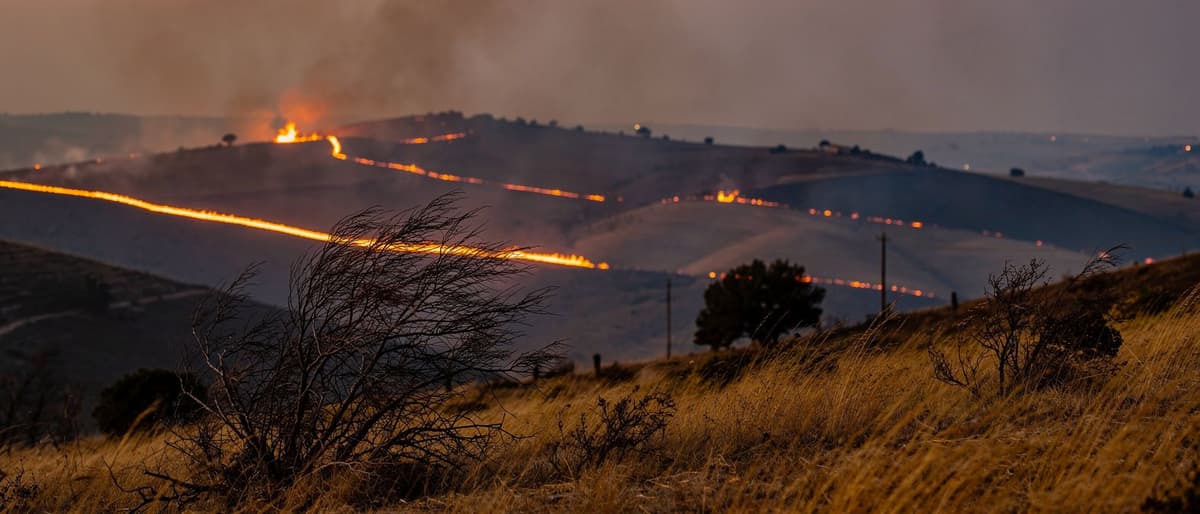
Greenhouse gases sit high in the atmosphere and stop some heat from escaping into space. As their levels rise, more heat stays trapped near Earth's surface. This changes weather in uneven ways: some regions get heavier monsoons, others get longer dry spells. Soil and plants that stayed moist for centuries, like moorland or peat in the UK, can dry out faster than before. Dry vegetation is easy fuel for fire, so a single spark or lightning strike can spread quickly across land that was never built to handle wildfires, similar to how dry grass near a highway catches fire faster than wet grass after rain.
A simple example
Think of a sponge that stays wet most of the year, like peat soil in Wales. For decades, it has soaked up rain and stored carbon inside plant matter. When hot, dry spells become more frequent due to climate change, that sponge dries out and becomes flammable, almost like leaving a wet towel in the sun until it turns brittle enough to catch fire. Once it burns, all the carbon stored inside is released into the air within days, undoing decades of natural storage almost instantly, similar to a savings account being emptied in one transaction instead of building up slowly.
Why people talk about it
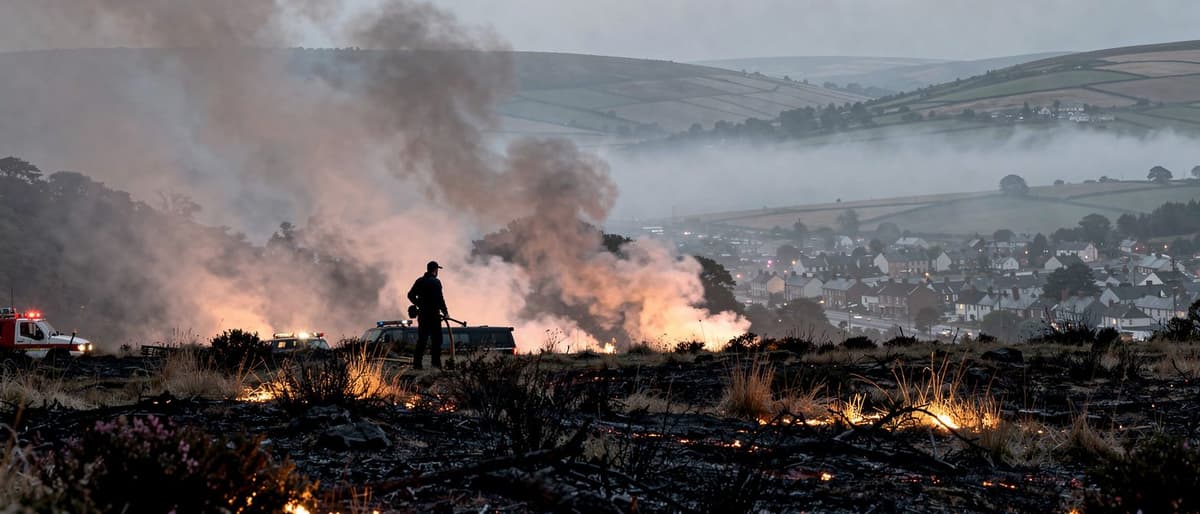
Scientists and news outlets highlight events like the Blaenavon wildfire because they show climate change is not only about rising sea levels or melting glaciers far away. It also means unfamiliar risks appearing in ordinary places, like a quiet Welsh county becoming a major carbon-emission hotspot for its size. This matters for city planning, firefighting budgets, and air quality alerts, since regions with little wildfire history may lack the resources or experience to respond quickly.
What to remember
Climate change is a gradual shift in weather patterns caused mainly by greenhouse gases, but its effects can show up suddenly, like a wildfire in a place with no history of them. When dry land burns, it releases carbon that took years to store, adding to the same warming trend that helped dry the land in the first place. This cycle is why scientists watch unusual wildfires closely, even in cool, rainy places.
Key words
Greenhouse gas
A gas like carbon dioxide that traps heat in the atmosphere, contributing to global warming.
Peat
A dense, spongy soil made of partly decayed plant material that stores large amounts of carbon.
Moorland
Open, often damp land covered in grass, heather, or peat, common in parts of the UK.
Key facts
- 1Human-caused greenhouse gas emissions have raised global average temperatures by more than 1°C since pre-industrial times, per the IPCC.
- 2Peat and moorland soils can store carbon for centuries, but wildfires can release it into the atmosphere within days.
- 3The UK Met Office has recorded more frequent hot, dry spells in regions historically known for wet, cool weather.
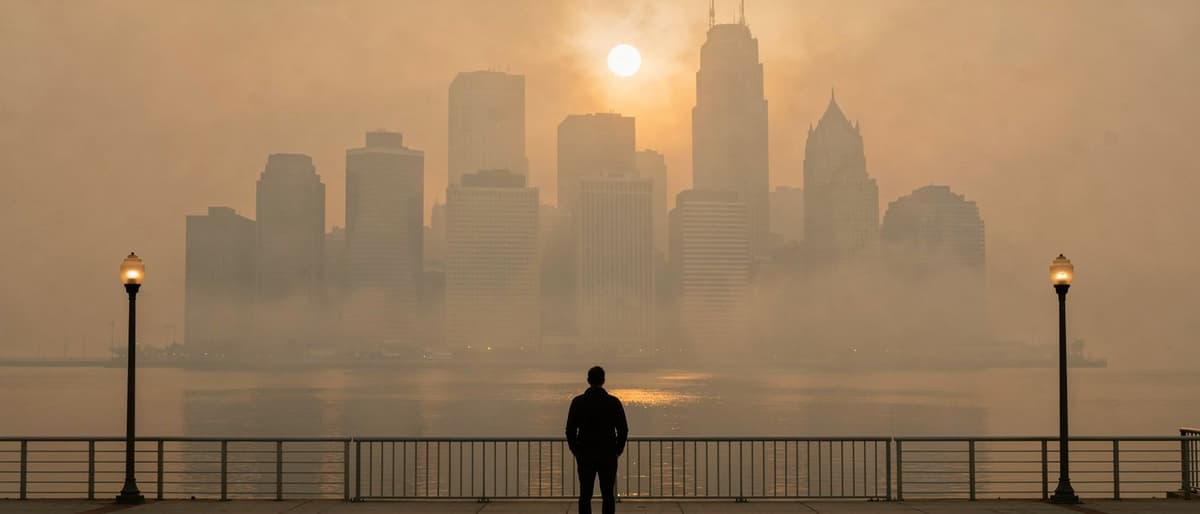
- 4Wildfire smoke can travel tens of miles and affect air quality far from the actual fire, as seen when Blaenavon's smoke reached Cardiff.
- 5NASA Climate data shows that shifting rainfall patterns are turning some low-risk fire zones into new wildfire-prone areas.
Why it matters
Understanding climate change helps explain why wildfires, floods, and heatwaves increasingly appear in places with no historical pattern of such events.
Sources
- IPCC
- NASA Climate
- Met Office