Science
How a Wildfire Near Blaenavon Made a Welsh County a Global Carbon Hotspot
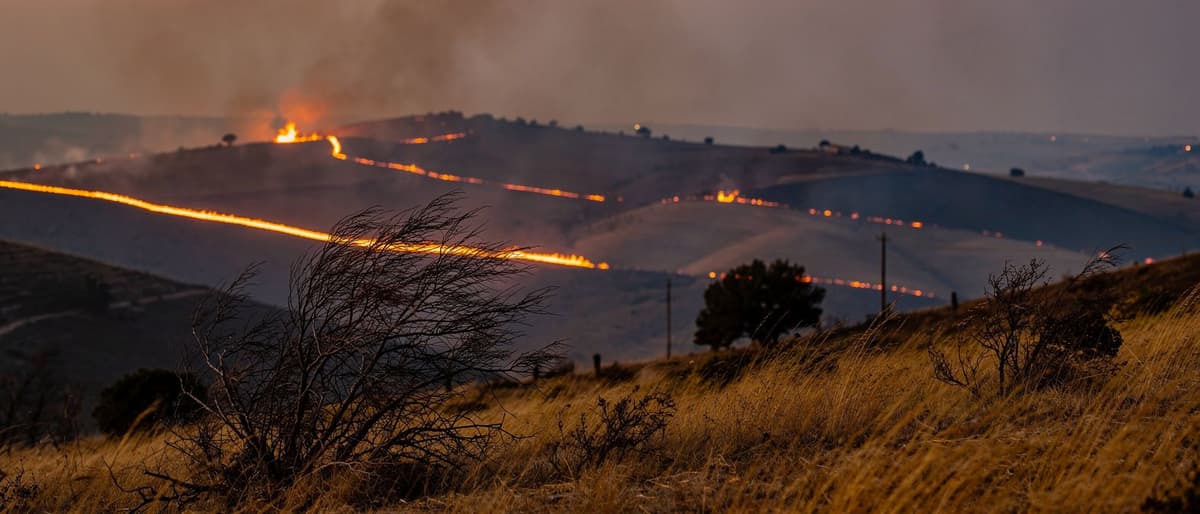
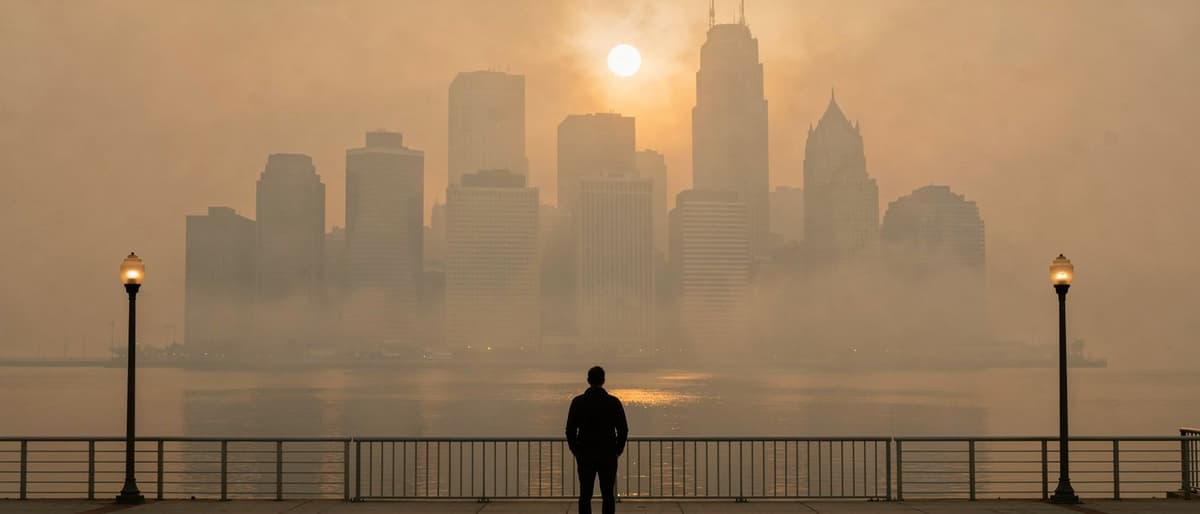
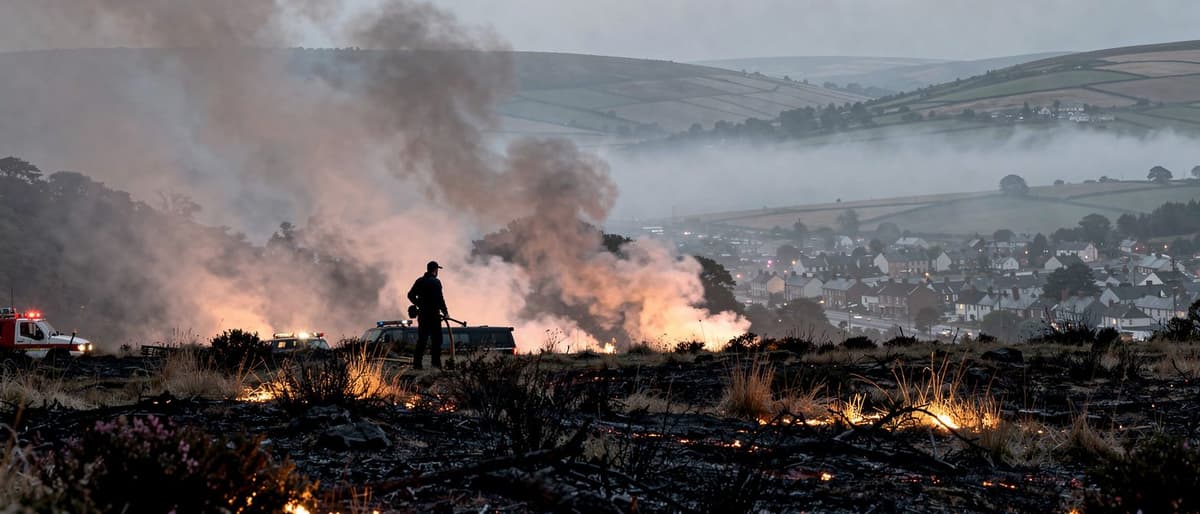
AI-generated illustration
Smoke from a wildfire near Blaenavon traveled 30 miles and could be smelled in Cardiff, and new monitoring data now ranks this small Welsh county among the world's biggest carbon emission hotspots this year.
30 milesdistance the wildfire smoke traveled to reach Cardiff
The facts
- 1A wildfire near Blaenavon in south Wales has turned the surrounding county into one of the highest carbon-emitting hotspots on Earth relative to its size in 2026.
- 2Wildfires that burn through moorland and peat release carbon that has been locked in soil and plants for decades, sending it into the air quickly.
- 3The smoke from the Blaenavon fire was strong enough to be smelled 30 miles away in Cardiff, showing how far the plume spread.
- 4Thick smoke lowered air quality across the region while firefighters worked to stop the blaze from spreading further across dry vegetation.
- 5Wales rarely sees wildfires at this scale, and repeated hot, dry spells are turning landscapes once seen as low fire-risk into new carbon sources.
Why it matters
When fires hit places not built for them, like Welsh moorland, they release stored carbon fast and strain local firefighting resources, showing how shifting weather patterns are reshaping wildfire risk in unexpected regions.
Sources
- BBC News
- Met Office