Science
Solar Power in India: How Sunlight Becomes Electricity and Why India Is Leading the Charge
AI-generated illustration
A thin wafer of silicon no bigger than your palm can power a home — and India is now one of the world's biggest builders of the machines that do exactly that. Here is how photovoltaic solar cells work and why India's solar ambition is changing the country's energy story.
100 GWIndia's total installed solar capacity crossed in 2024
The facts
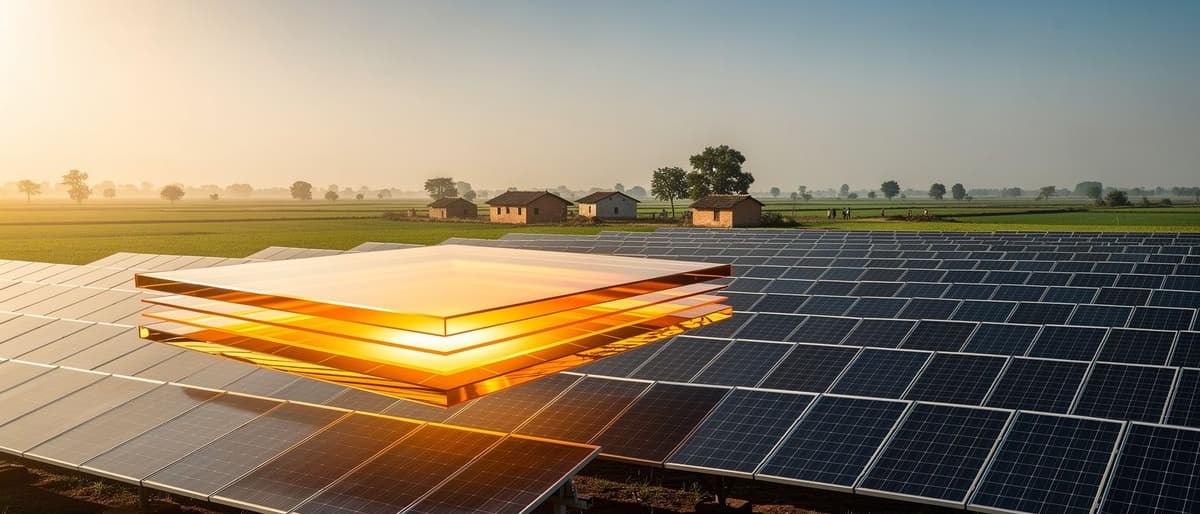
- 1A photovoltaic (PV) cell works by absorbing sunlight and knocking electrons loose inside a silicon wafer, creating an electric current — the same basic idea since the 1950s, now done far more cheaply.
- 2India's installed solar power capacity crossed 100 gigawatts (GW) in 2024, making it the fourth-largest solar nation in the world after China, the USA, and Germany.
- 3One gigawatt of solar power can supply electricity to roughly 700,000 average Indian homes, so 100 GW represents a significant share of the country's daytime power needs.
- 4Solar energy now costs less per unit than new coal power in India, according to the International Energy Agency, which means building new solar plants is cheaper than building new coal plants.
- 5India still faces challenges: solar panels produce no power at night, and storing surplus daytime energy in batteries at large scale remains expensive, so coal and other sources still run after sunset.
Why it matters
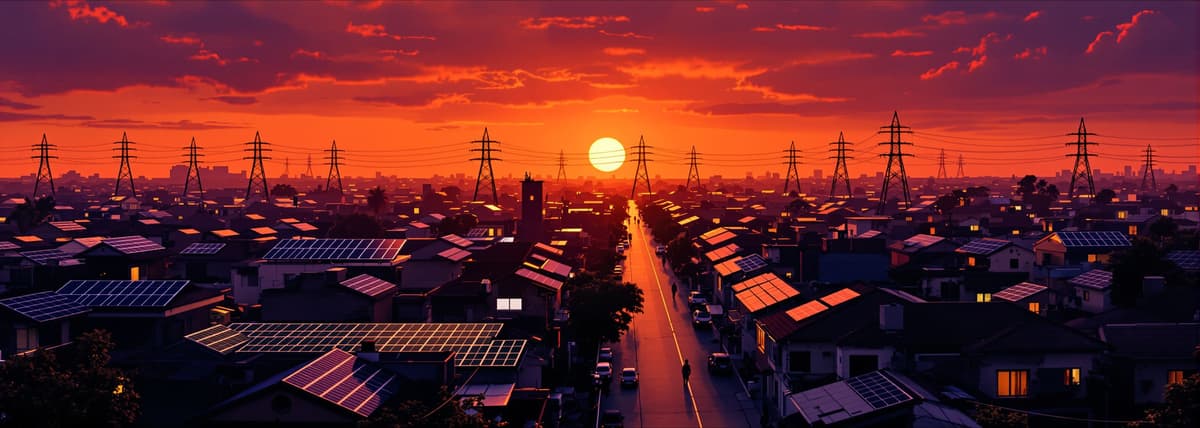
When electricity gets cheaper and cleaner, it affects everything from school fees to air quality. For younger Indians, a solar-powered grid means lower AQI in cities, lower household electricity bills, and more energy security — but the storage problem shows that no single technology solves everything on its own.
Sources
- The Hindu – The Scope
- International Energy Agency (IEA)
- Ministry of New and Renewable Energy, Government of India