Science
How NASA Plans Decades Ahead to Keep Earth's Climate Record Unbroken
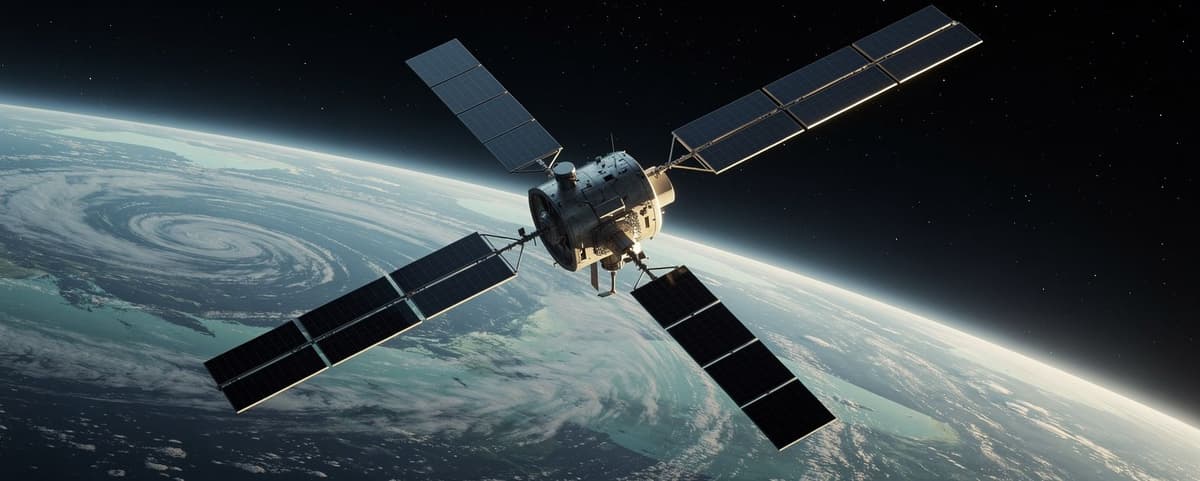
AI-generated illustration
Imagine tracking the planet's pulse for 40 years and then losing the signal for even a few months. NASA calls the fix 'foresight' — planning future satellites years before current ones fail.
4planetary features tracked long-term (aerosols, sea levels, land cover, cloud cover)
The facts
- 1NASA's Earth-observing satellites track aerosols, sea levels, land cover, and cloud cover continuously for years to decades, per NASA's Earth Science Division.
- 2These long unbroken records let scientists separate normal weather swings from genuine long-term shifts in the planet's climate.
- 3NASA scientist Lindsey Jacobson works on 'foresight' planning, mapping which measurements future missions must capture before today's instruments wear out.
- 4Even a short gap in a data record makes it harder to compare conditions before and after, weakening confidence in long-term trends.
- 5Building and launching a new satellite mission takes years, so foresight planning starts long before an existing instrument's expected retirement.
Why it matters
Unbroken satellite records underpin climate policy, disaster preparedness, and farming decisions worldwide, so a data gap today could blur understanding of Earth changes for decades.
Sources
- NASA
- NASA Earth Observatory