Current Affairs
St Paul's Jetty: The Greek Island Where a Historic Journey to Europe Began
AI-generated illustration
A tiny stone jetty on a remote Greek island marks the spot where one of history's most influential journeys touched land — and the island itself has been drawing travellers for over 2,000 years.
2,863 yearsApproximate age of the Sanctuary of the Great Gods on Samothraki (founded around 700 BCE)
The facts
- 1Samothraki (also spelled Samothrace) is a small island in the northern Aegean Sea, Greece, with a population of just about 2,800 people — roughly the size of a small Indian town ward.
- 2According to the Acts of the Apostles in the New Testament, the Apostle Paul stopped at Samothraki overnight around 49–50 CE while sailing from Asia Minor (modern Turkey) towards Macedonia — making it his first stop in Europe.
- 3The island was already famous long before Paul's visit: the ancient Sanctuary of the Great Gods on Samothraki attracted pilgrims from across the Greek world, and the celebrated marble sculpture the Winged Victory of Samothrace — now in the Louvre museum in Paris — was found here in 1863.
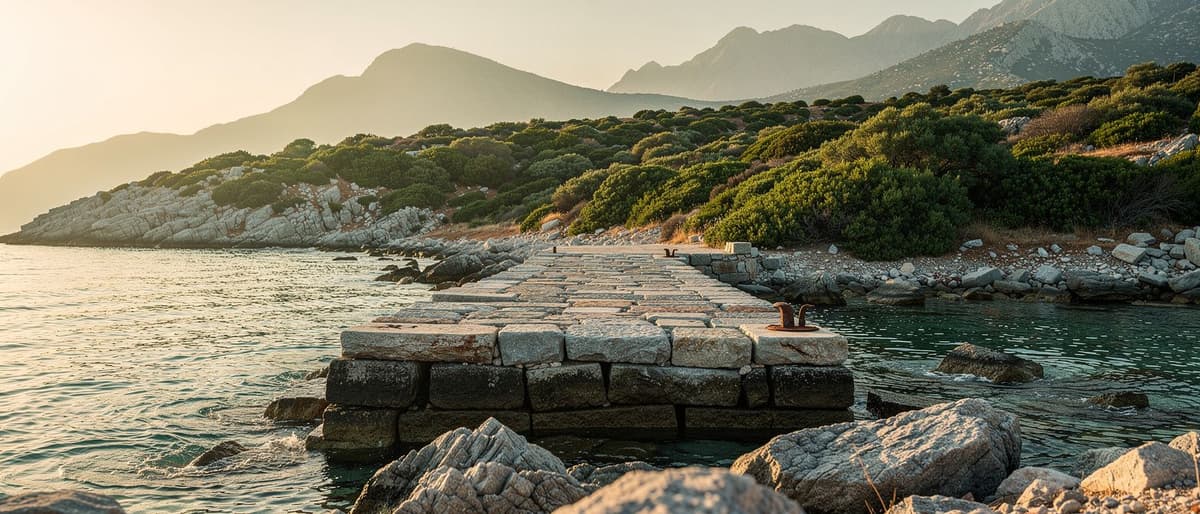
- 4St Paul's Jetty, a small stone landing point on the island's coast, is marked today as the traditional site where Paul's boat came ashore; it is a quiet heritage site visited by history enthusiasts and pilgrims who retrace his journey through Europe.
- 5Samothraki is also a UNESCO Biosphere Reserve, protecting its rare ecosystems including ancient plane-tree forests and waterfalls — meaning the island holds layers of natural, archaeological, and religious heritage together in one place.
Why it matters
A single small jetty shows how geography shapes history: sea routes through the Aegean connected continents long before airports or highways. Samothraki's layered history — ancient Greek religion, a Roman-era journey, a famous sculpture, and protected nature — is a reminder that heritage sites often carry more than one story, and that protecting them keeps multiple threads of human memory alive.
Sources
- Atlas Obscura
- The Louvre Museum, Paris
- UNESCO Biosphere Reserve Programme